Two Calendars — Weather vs. Migration
Most Indian wildlife destinations have one seasonal story: a park opens, a park closes, conditions improve or worsen with the weather. Thattekad runs two calendars simultaneously, and understanding both is what separates a good trip from a merely adequate one. The first is Kerala’s weather calendar — dry season, monsoon, and the shoulder periods between them. The second, layered on top, is the migratory calendar of the birds themselves, arriving and departing on a schedule that has nothing to do with rainfall and everything to do with breeding grounds thousands of kilometres away.
October Through March: The Working Window
This stretch is Thattekad’s reliable core, and for good reason. Kerala’s dry season sets in through this period, keeping trails accessible and comfortable, while the cooler temperatures make both early-morning and after-dark sessions considerably more pleasant than the humid heat of summer. This is also precisely when the sanctuary’s migratory visitors arrive, layering seasonal species on top of the endemics and residents present year-round.
The Indian pitta is the signature example — a vividly coloured winter visitor that spends roughly six months at Thattekad before departing, present specifically within this window and simply absent for the rest of the year. Waterbirds along the Lagoon Trail follow a similar pattern, with migratory waders and additional species passing through the wetland habitat during these cooler months in numbers you won’t see at any other time of year.
November Through February: Peak Activity, Peak Crowds
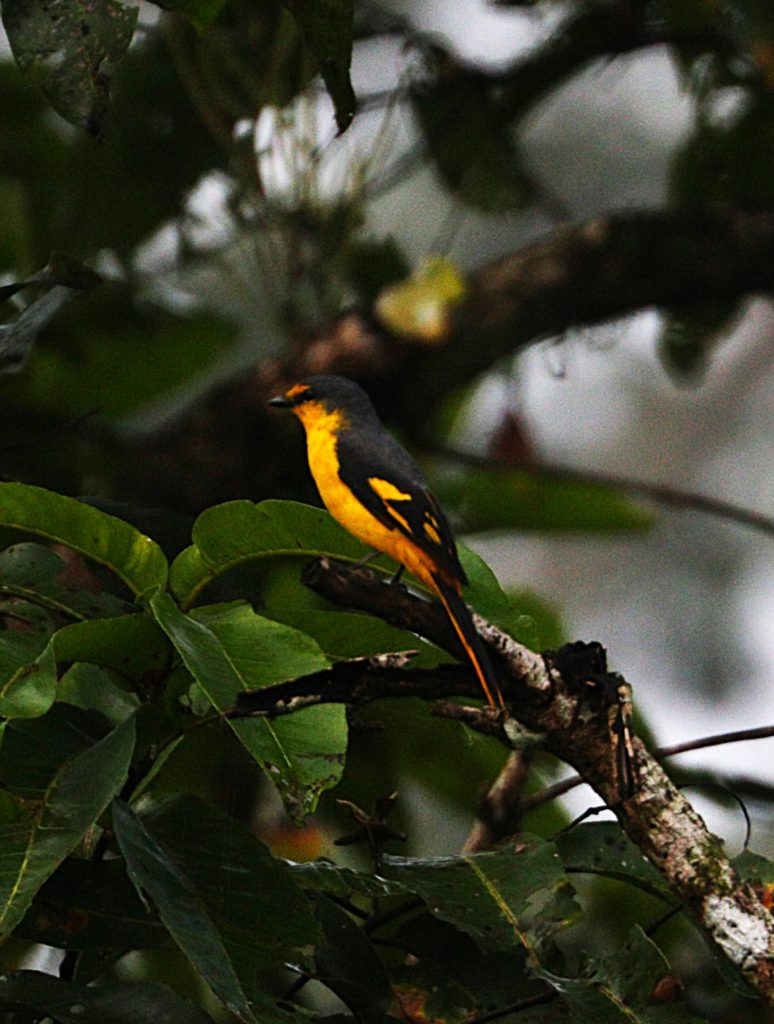
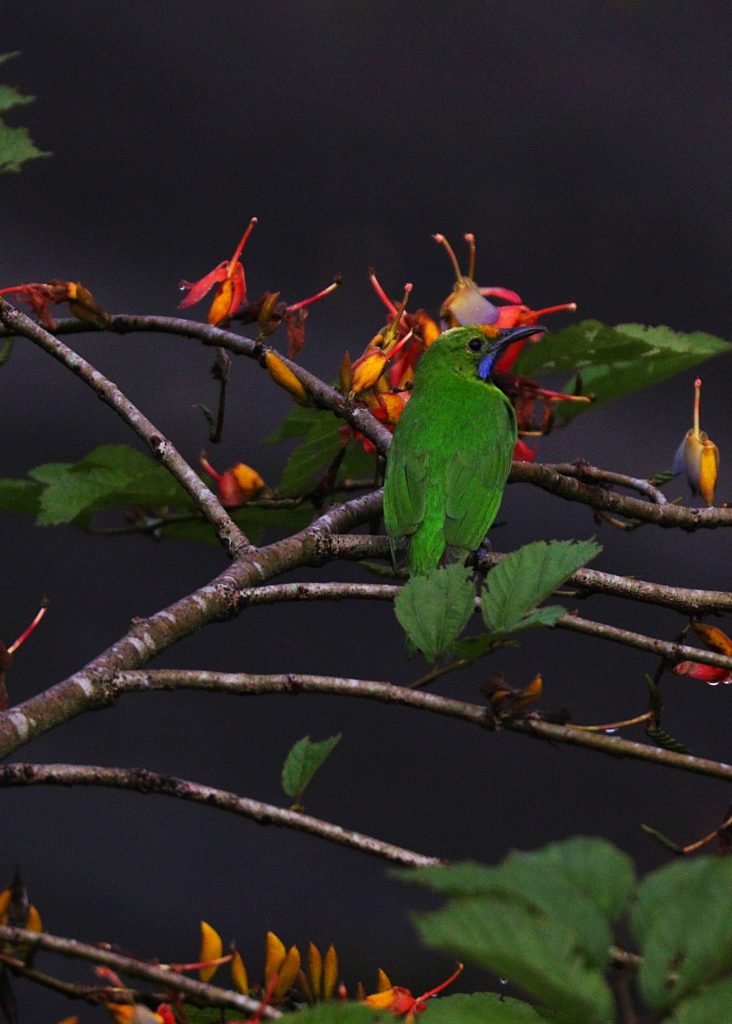
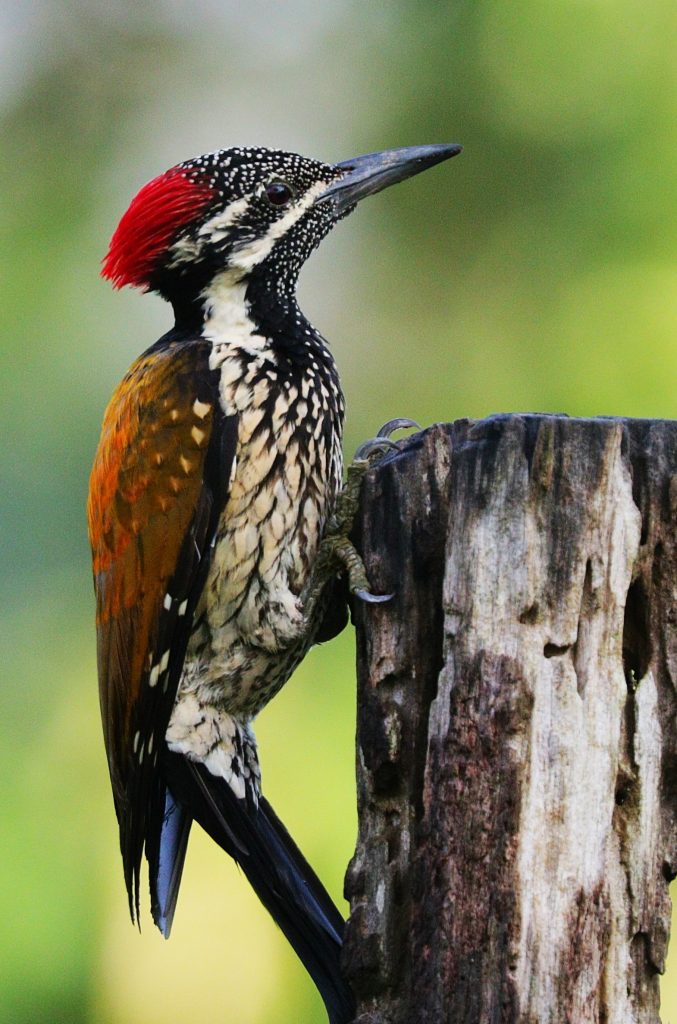
Within the broader October–March window, this four-month stretch is when both bird activity and visitor numbers hit their highest point. If maximising your species list is the priority — migrants fully arrived and settled, resident activity strong, comfortable conditions throughout — this is genuinely the strongest period to visit. The trade-off is straightforward: more visitors on the trails, and accommodation booking up further in advance than at other points in the season.
Monsoon: A Season to Actively Avoid
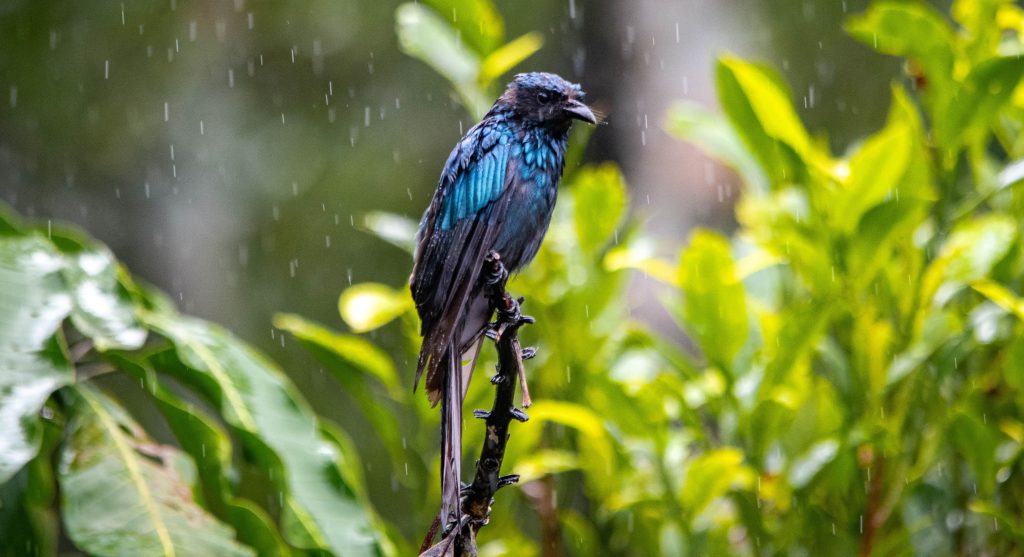
Unlike other wildlife destinations in India, which either stays open and simply changes character through monsoon, or are closed for a defined and predictable stretch, Thattekad’s monsoon months carry genuine practical risk rather than just reduced sightings. Heavy rainfall across Kerala’s monsoon season can render trails unsafe or impassable, and road access to the sanctuary itself has been known to face disruption during particularly heavy spells. This isn’t a season that trades comfort for solitude the way it might elsewhere — it’s a window where a trip can be actively compromised by conditions outside anyone’s control. Planning a visit here between roughly June and September carries real risk of a substantially reduced or disrupted trip, and isn’t recommended without genuinely flexible dates.
What Stays Constant Regardless of Season
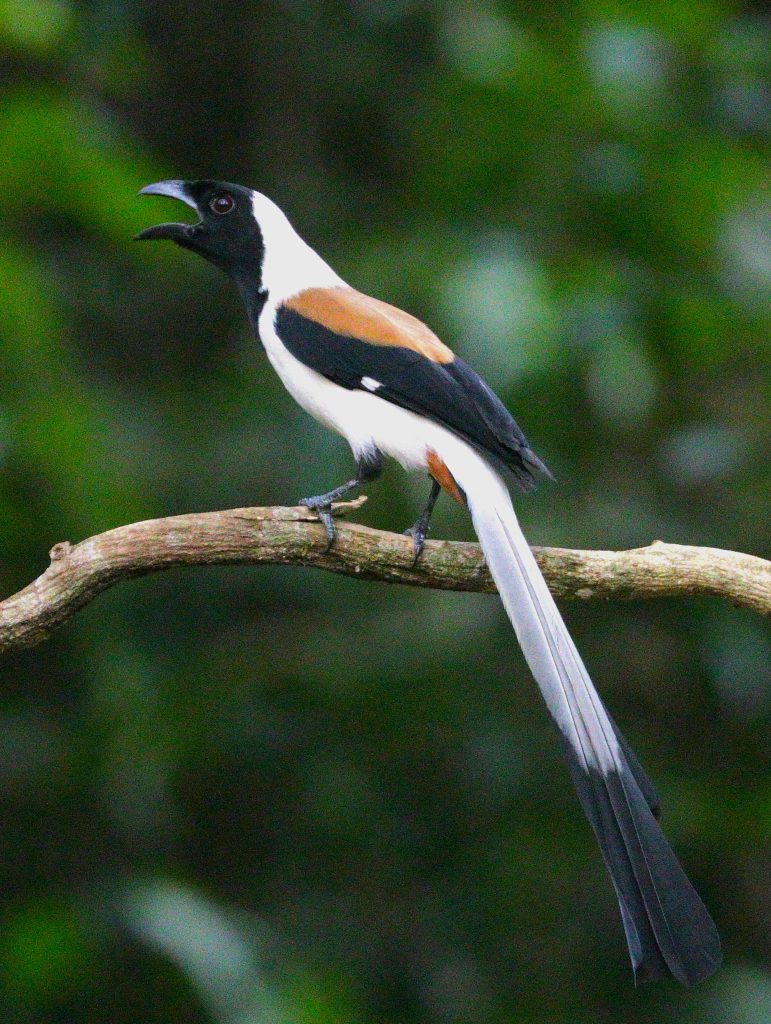
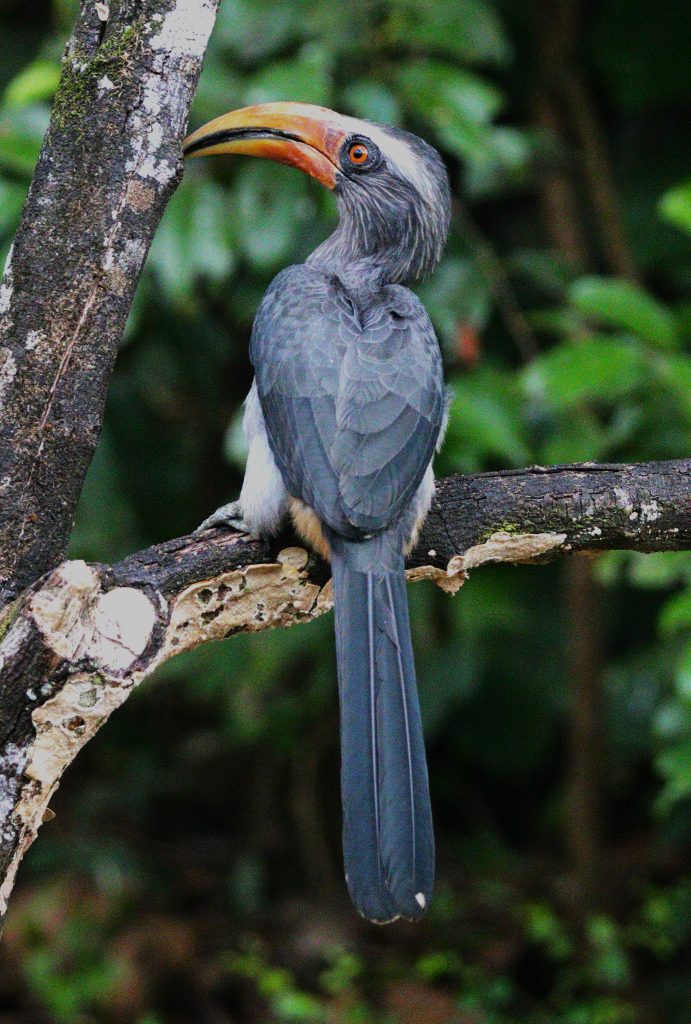
It’s worth remembering that Thattekad’s roster of endemic Western Ghats species — the Malabar grey hornbill, Malabar trogon, white-bellied treepie, and the rest of that resident cast — doesn’t follow the migratory calendar at all. These species are present year-round, which means a visit outside the peak window still delivers a genuinely rich birding experience; it simply won’t carry the added volume of migrants passing through, and won’t include species like the Indian pitta that are only present seasonally.
Choosing Your Window
- Want the fullest possible species list, migrants included, and don’t mind company on the trails? November through February delivers the strongest combination of activity and comfort.
- Prefer slightly thinner crowds while still catching migratory season? October or March sit at the edges of the peak window, with most of the same advantages and somewhat less competition for guides and accommodation.
- Focused specifically on endemics and resident species, indifferent to migrants? Any month outside monsoon works, since these species don’t follow the same seasonal pattern.
- Considering a monsoon visit for lower rates or solitude? Reconsider. This is one of the few destinations in our content where the off-season genuinely isn’t a viable alternative window, rather than simply a different experience.
Reading Thattekad’s calendar properly means tracking two separate rhythms at once — the weather that determines whether you can safely visit at all, and the migratory patterns that determine which birds you’ll actually find once you’re there.
For everything else worth knowing before you go, see our complete guide to planning a Thattekad trip.