Maharashtra’s Densest Tiger Landscape
Tadoba-Andhari Tiger Reserve holds one of central India’s highest tiger densities within a genuinely accessible, well-connected landscape close to Nagpur. This is everything worth knowing before you plan a trip — how to actually get there, how the core-and-buffer system works, and what a day in one of India’s most consistently rewarding tiger reserves looks like.
How to Reach Tadoba
Nagpur’s Dr. Babasaheb Ambedkar International Airport is Tadoba’s primary gateway, with strong domestic connectivity from most major Indian cities. Drive time to the reserve varies meaningfully by zone — roughly 2.5 hours to Kolara Gate at around 100 to 120 kilometres, versus 3 to 3.5 hours to Moharli Gate at 150 to 180 kilometres. This distinction matters enough that it’s worth choosing your gate before booking transport, not the other way around.
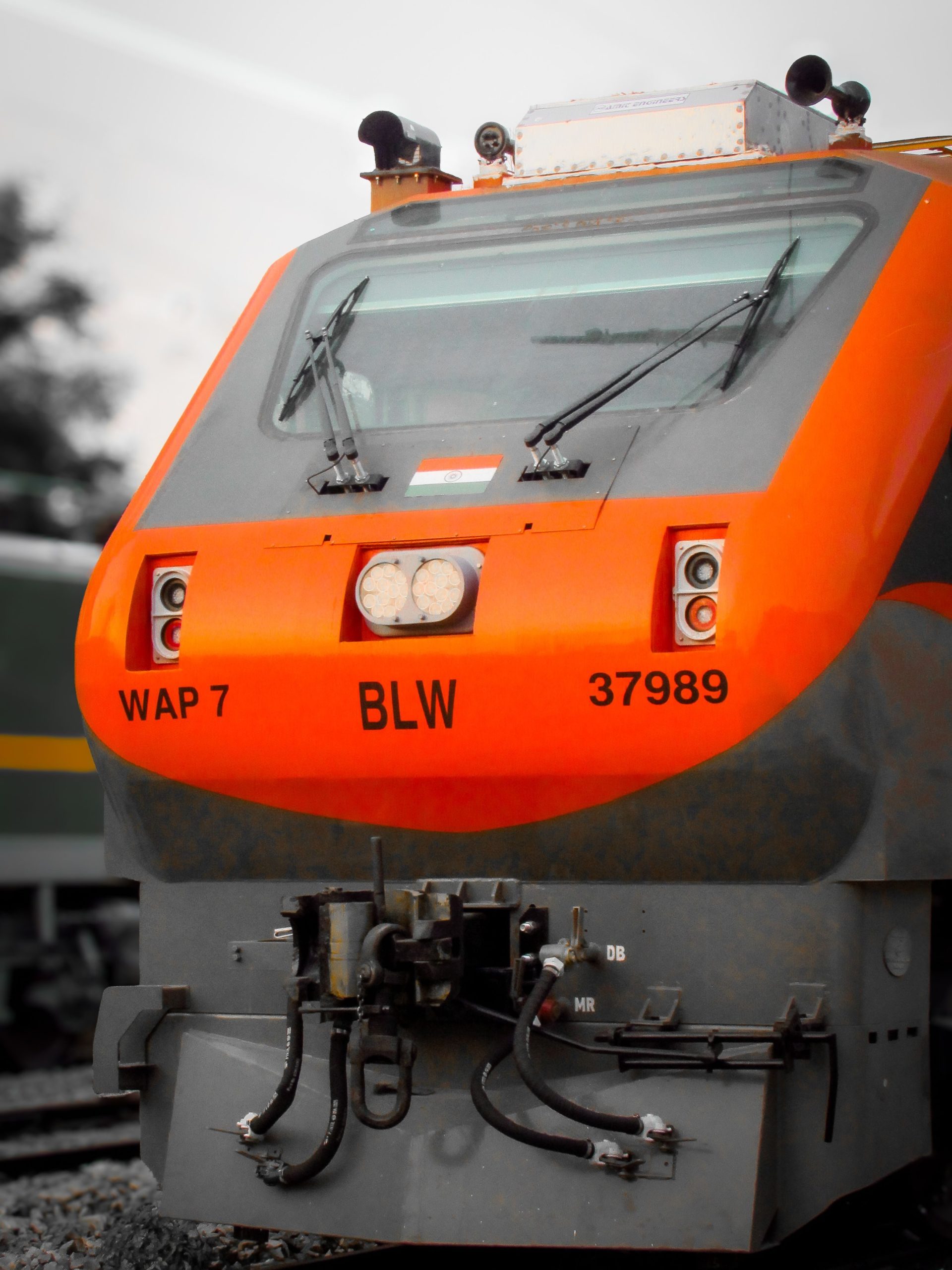

By rail, Chandrapur station offers the closest option at roughly 45 kilometres from Moharli, well connected to Mumbai, Hyderabad, and Nagpur. Warora station serves as a useful alternative for Kolara-bound visitors, cutting over an hour off the transfer compared to travelling via Nagpur. By road, well-maintained highways connect Tadoba to Nagpur, Hyderabad, Amravati, and Yavatmal, with the Samruddhi Mahamarg (Mumbai-Nagpur Expressway) offering a further option from the west.
Getting a Permit, Not Just Getting There
Reaching Tadoba is the easy part — getting into it requires a permit, and this is where most first-time planning goes wrong. Permits are issued through the Maharashtra Forest Department’s official booking portal, with each one tied to a specific gate, zone, date, and time slot rather than a general entry ticket. Booking windows typically open a few months ahead, and popular core gates — Moharli and Kolara especially — sell out well before the date for weekends, long weekends, and the October to December rush.
A single permit covers one gypsy, seating a maximum of six guests alongside the driver and a mandatory forest department naturalist — the guide isn’t optional, and their read of the terrain is often the difference between a quiet drive and a real sighting. Some buffer routes also run larger canters seating up to eighteen, though these suit a different kind of trip than a photography-focused one. Walk-up booking at the gate counter still exists, but treating it as a backup rather than a plan is the safer approach; counters run on a first-come basis, often prefer cash, and offer no guarantee of zone or timing.
Fees are revised periodically and differ by zone, weekday versus weekend, and vehicle type, so it is advisable to check the Maharashtra Forest Department’s official booking portal.
Choosing Core or Buffer
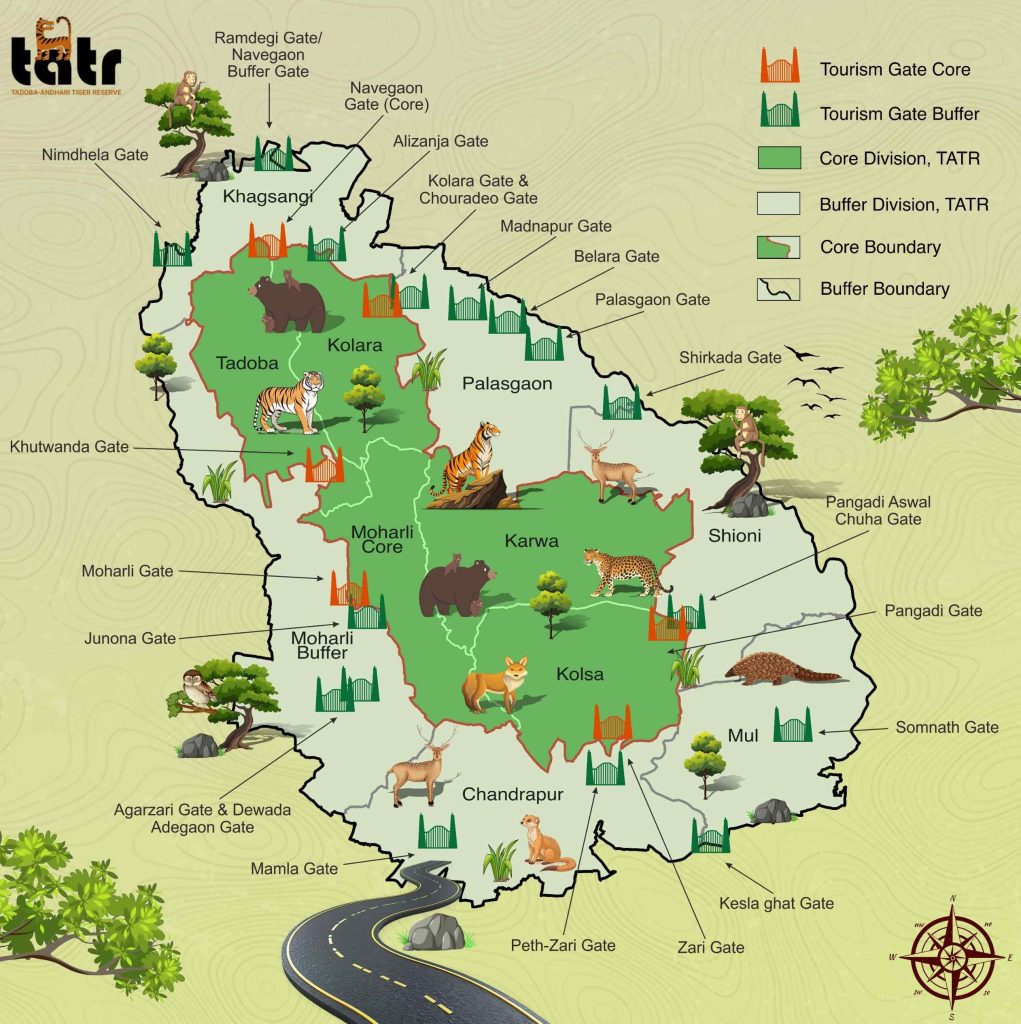
Tadoba’s four core zones — Moharli, Kolara, Navegaon, and Pangdi-Zari — each offer distinct character and access through six core gates. Genuinely unusual among Indian reserves, Tadoba’s buffer zones, reached through seventeen additional gates, rival the core for sighting quality, with the added benefits of fewer vehicles and longer safari durations. A well-planned Tadoba trip often mixes both, rather than defaulting entirely to core-zone permits.
What a Day on Safari Actually Looks Like
Safari timings shift with the season, typically running an early-morning slot followed by a matching window in the afternoon, moving through dry teak forest, bamboo stands, and the open grassland surrounding Tadoba’s lakes. Beyond jeep safari, the reserve also offers a boat safari on Irai Lake — a genuinely different, water-level vantage point worth building into a longer stay.
Because Tadoba’s lakes act as such a powerful draw during the dry season, a significant share of the reserve’s most memorable sightings happen at or near water — worth keeping in mind when your guide chooses a route, since positioning near a lake during the hotter months often outperforms covering more ground.
Beyond the Tiger: What Else You’ll See
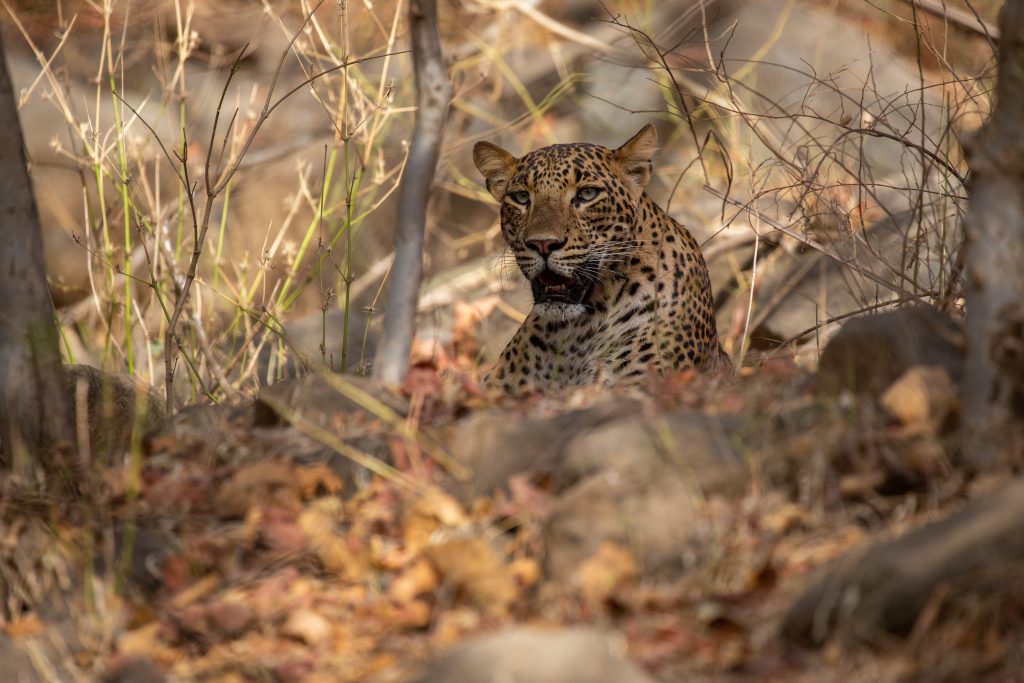
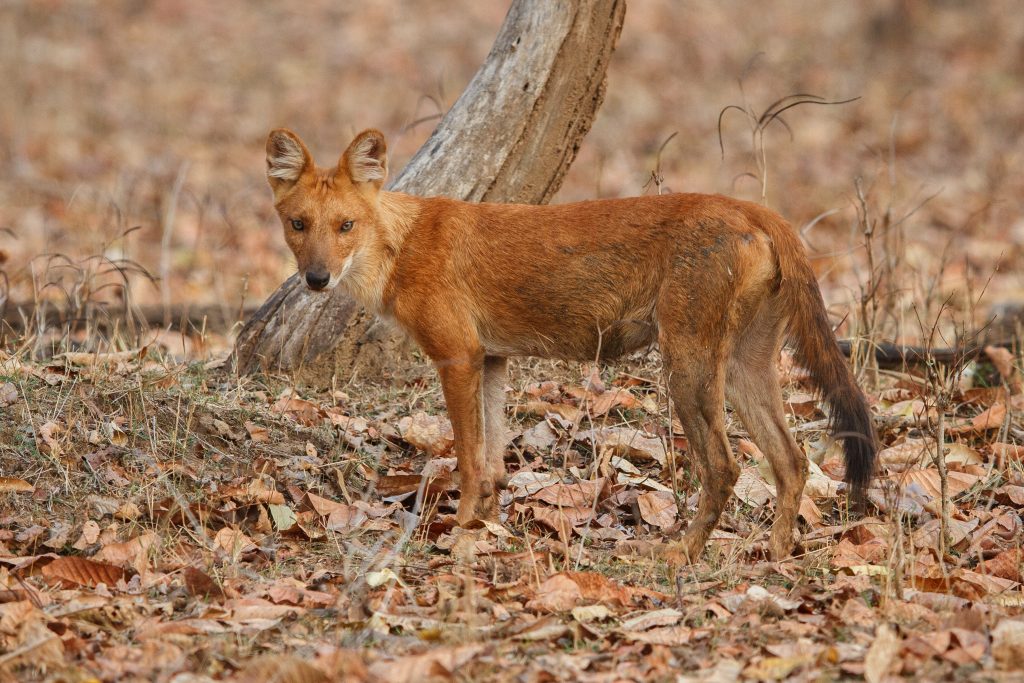
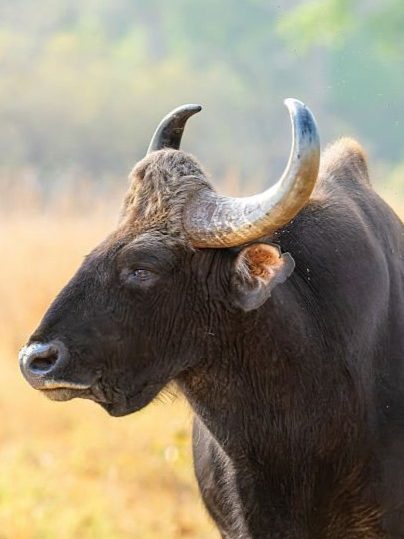
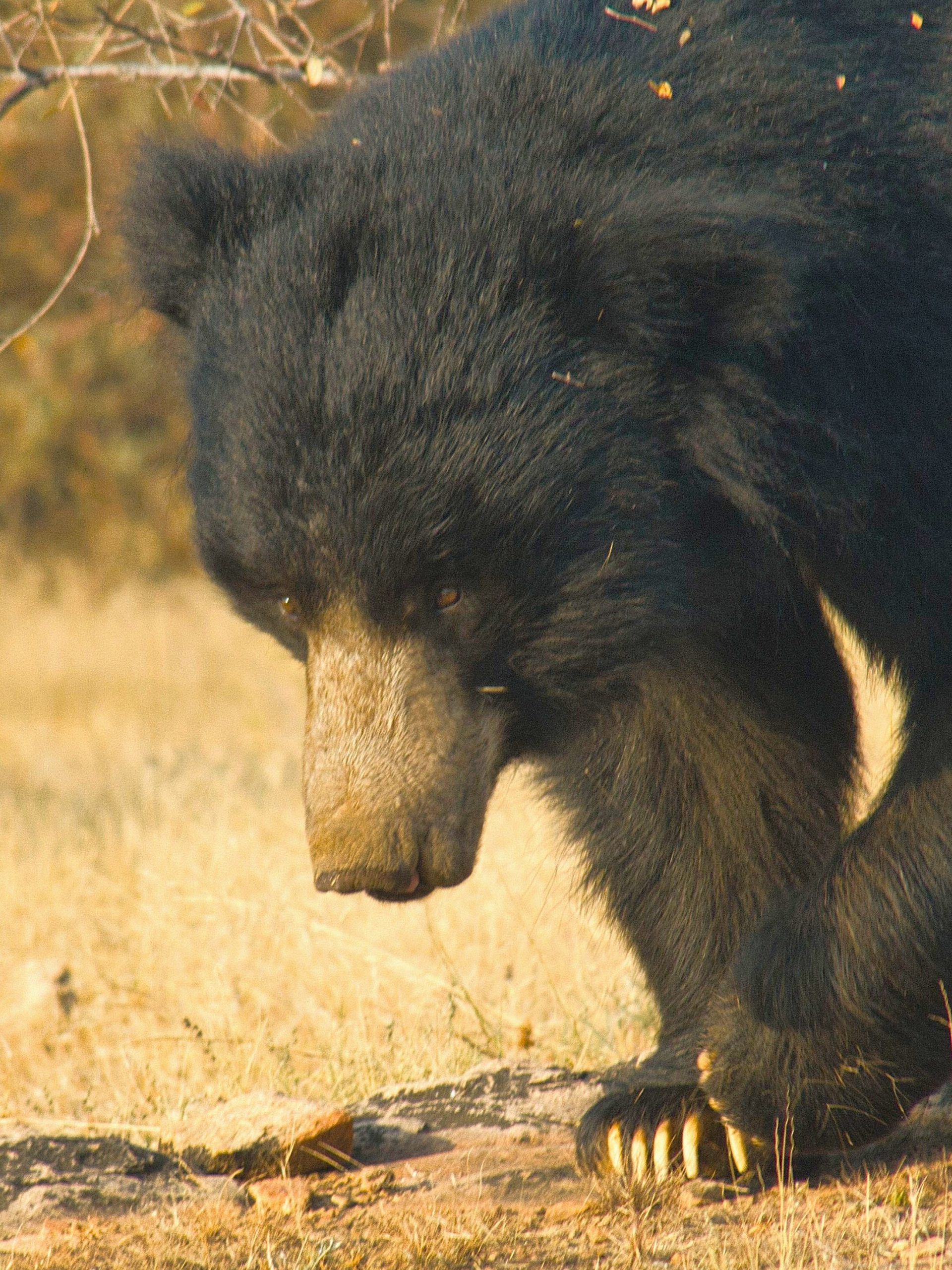
Tadoba’s tiger density is what draws most first-time visitors, but treating it as a one-species reserve means missing a genuinely rich landscape. Leopards move through the same terrain and are seen with real regularity, particularly in the buffer zones where lower vehicle pressure works in their favour. Dhole — Indian wild dogs — hunt here in packs and are one of the more thrilling, if less predictable, sightings the reserve offers. Sloth bear and gaur, India’s wild bison, both turn up often enough to be worth watching for rather than treating as a bonus.
The birdlife is where Tadoba quietly rewards patience: raptors working the open grassland, and a strong waterbird presence around Tadoba Lake and Irai Lake that peaks alongside the dry season crowding described above. For anyone travelling with even a passing interest in birds, it’s worth building a slower morning around the lakes rather than treating them purely as a tiger-sighting shortcut.
When to Go
Tadoba closes its core zones for the monsoon, roughly July through September, though several buffer gates remain open through this period for visitors who don’t mind rain and lush, quieter forest over big cat odds. October marks the reopening rush — cooler weather, restored vegetation, and a surge in bookings as the season’s first permits go live. November through February brings the most comfortable weather for a safari, with steadily thinning foliage improving visibility as the months progress, though tiger density at any single sighting point is generally lower than what the dry season delivers. March through June is peak season for exactly the reason the pack list below takes seriously: as temperatures climb and water sources shrink, wildlife concentrates predictably around the reserve’s remaining lakes and waterholes, and sighting odds rise in step with the heat.
What to Pack
- Serious heat protection for March through June. Tadoba’s peak sighting season is also genuinely its harshest — broad-brimmed hat, high-SPF sunscreen, and a dust mask or buff for the intense dry-season dust.
- Layers for winter mornings. December and January mornings in an open jeep run genuinely cold despite the pleasant daytime temperatures that follow.
- A 100–400mm or 200–600mm zoom lens. This range comfortably covers Tadoba’s typical sighting distances across both forest and open lake terrain.
- Binoculars, and a reusable water bottle you’ll actually refill. Serious hydration matters more here than at almost any reserve in our content, particularly during the summer window.
A Sample First Visit
For a first trip, three nights strikes a workable balance between recovery time and permit variety. Arrive the evening before your first safari so an early wake-up isn’t compounded by travel fatigue. Take your first two safaris — one morning, one afternoon — in a core zone like Moharli or Kolara for the best tiger odds, then shift to a buffer gate for your third safari to see how the lower vehicle density changes the experience. If your schedule allows a fourth outing, the Irai Lake boat safari makes a genuinely different closing note to the trip — the same landscape from water level, with a different set of birds and a slower pace than a jeep track allows.
A Few Common Questions
- Can I self-drive into the reserve? No. Every vehicle inside Tadoba must carry a Forest Department-assigned guide, and permits are non-transferable to a different vehicle or driver.
- Are tiger sightings guaranteed? No reserve can promise this, and Tadoba is no exception — though its density gives it among the better odds in central India, especially in the summer months described above.
- Which zone suits a first-time visitor best? Moharli is the most established core zone and a reasonable default, but pairing it with at least one buffer safari during the same trip tends to round out the experience rather than repeating the same terrain.
- Is mobile connectivity reliable near the reserve? Patchy at best around most gates and resorts — worth telling anyone expecting to stay online that this is a good stretch to disconnect.
- Should I carry cash? Yes, particularly for gate counters and smaller local expenses, where card payment isn’t always available.
Putting It Together
A Tadoba trip rewards understanding the connection between its heat, its lakes, and its wildlife — and choosing a zone or buffer gate deliberately rather than defaulting to habit. Get that right, and few reserves in central India deliver a comparable combination of accessibility, density, and genuinely exceptional sighting odds.