Tadoba Is Not the Same Forest Throughout the Year
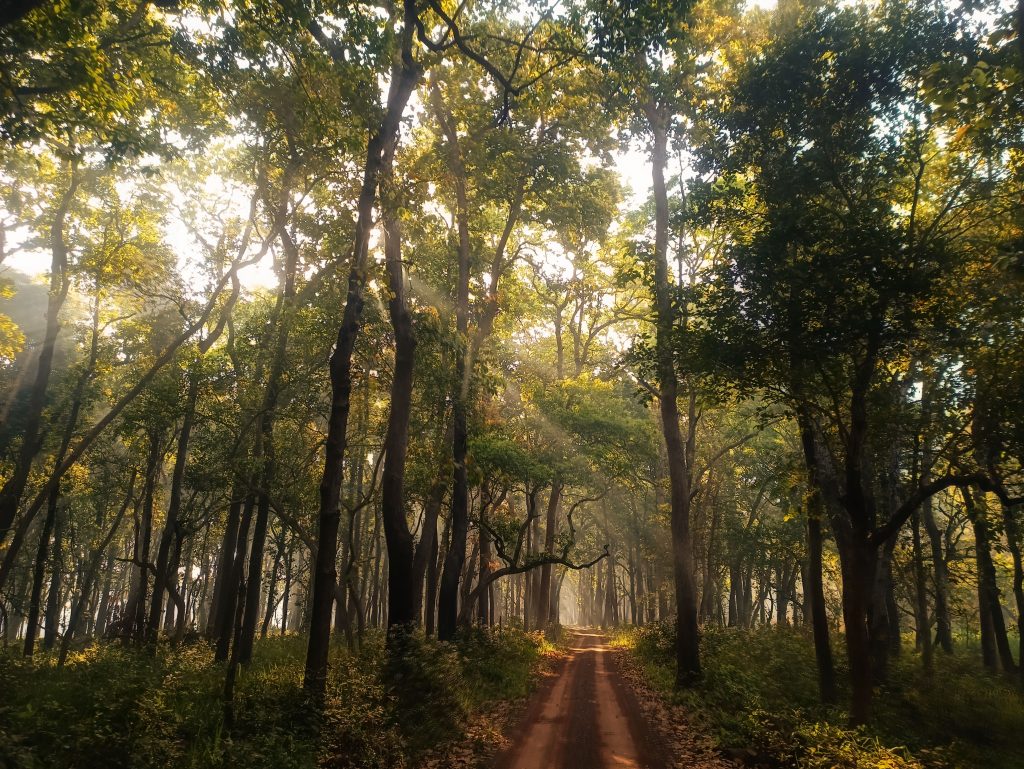
Tadoba’s landscape changes with every passing season. The forest that emerges from the monsoon is lush, dense and full of new life. Winter brings cool mornings, soft light and a forest that feels calm and open. As summer approaches, flowering trees add bursts of colour before the landscape gradually dries. Then comes the heat — the time when water becomes scarce, animal movement becomes increasingly tied to the remaining water sources, and Tadoba earns its reputation as one of India’s most compelling tiger landscapes.
This seasonal transformation is what makes Tadoba-Andhari Tiger Reserve so fascinating.
So, which Tadoba do you want to experience?
July to October: A Forest Reborn
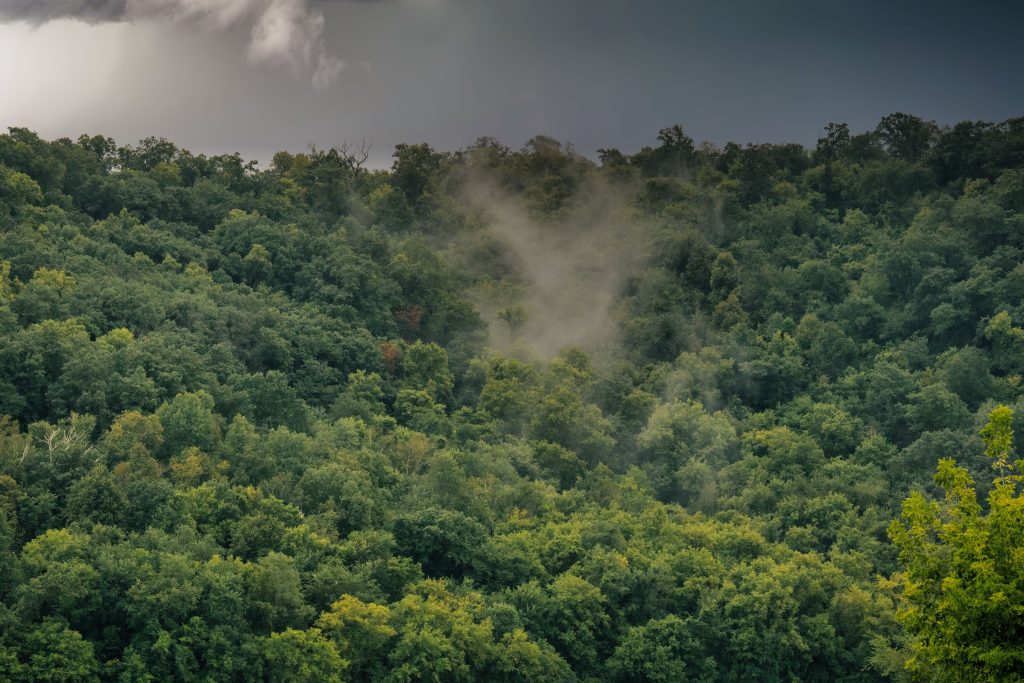
The story begins with the monsoon. After months of heat and dryness, rain transforms Tadoba. The forest floor becomes green again, seasonal streams fill, and vegetation responds rapidly to the return of water — transforming into a “Monsoon Wonderland”.
The monsoon also changes the rhythm of the jungle. Water is no longer concentrated in a handful of dependable sources. There is less immediate pressure for animals to visit waterholes because rain has replenished the landscape. This is perhaps the most visually dramatic version of Tadoba.
However, safari access during this period is subject to the reserve’s current tourism arrangements, and visitors should always check the official zone and gate availability before planning a monsoon safari.
As the monsoon retreats, Tadoba begins another transformation. The forest is still green in October, but the landscape slowly starts drying, the wet and mushy forest floor starts to dry up. Vegetation that was drenched during the rains gradually starts looking refreshed. This is a transitional Tadoba. The forest retains much of its post-monsoon freshness, yet the conditions are beginning to move towards favouring the photography buffs.
By November, the difference is becoming more noticeable. The forest is no longer at its monsoon peak, but is embracing the onset of the winter season.
November to February: The Winter Glow
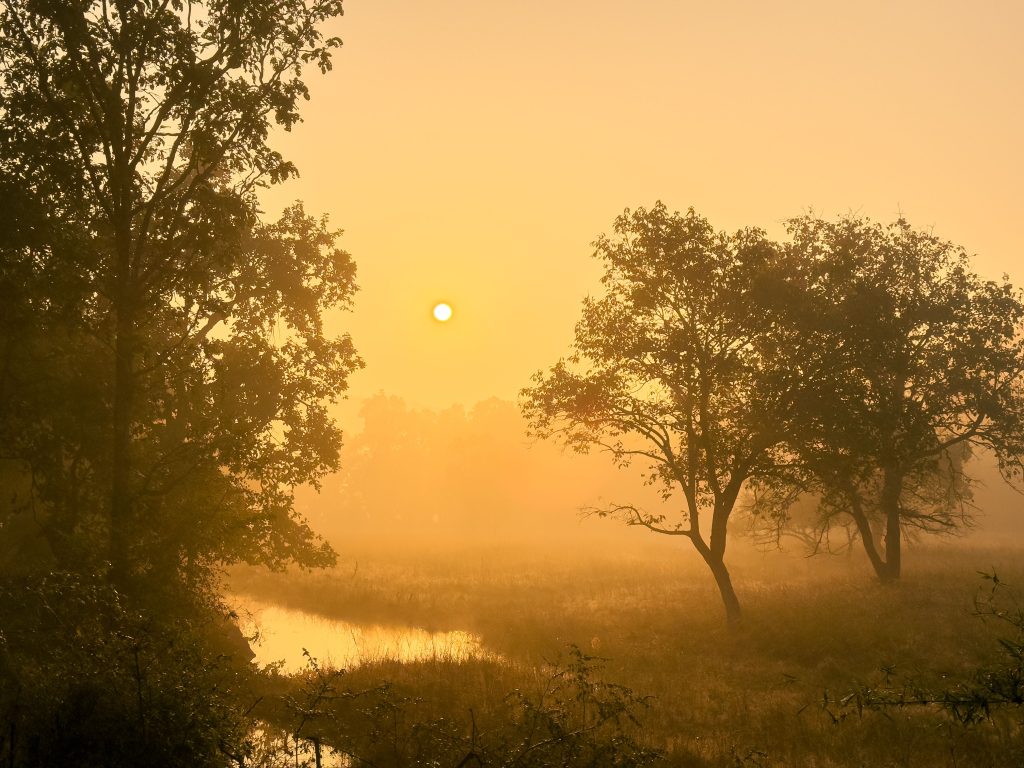
Winter brings a quieter side of Tadoba. Mornings can be cool, sometimes misty, while the rising sun gradually turns the forest golden. The official Tadoba tourism site describes November to January as the “Winter Glow”, highlighting cool mornings, golden sunlight, deer activity and migratory birds. This is the most comfortable period for a safari. Early-morning safaris can be crisp, while the daytime remains considerably more pleasant than the months ahead.
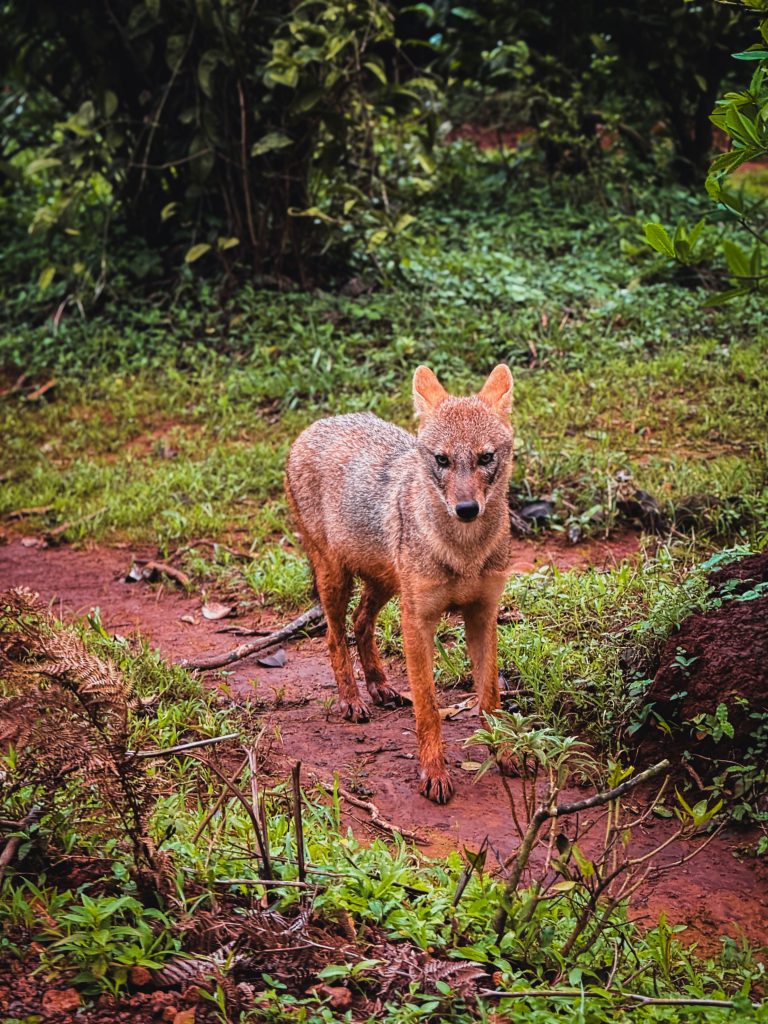
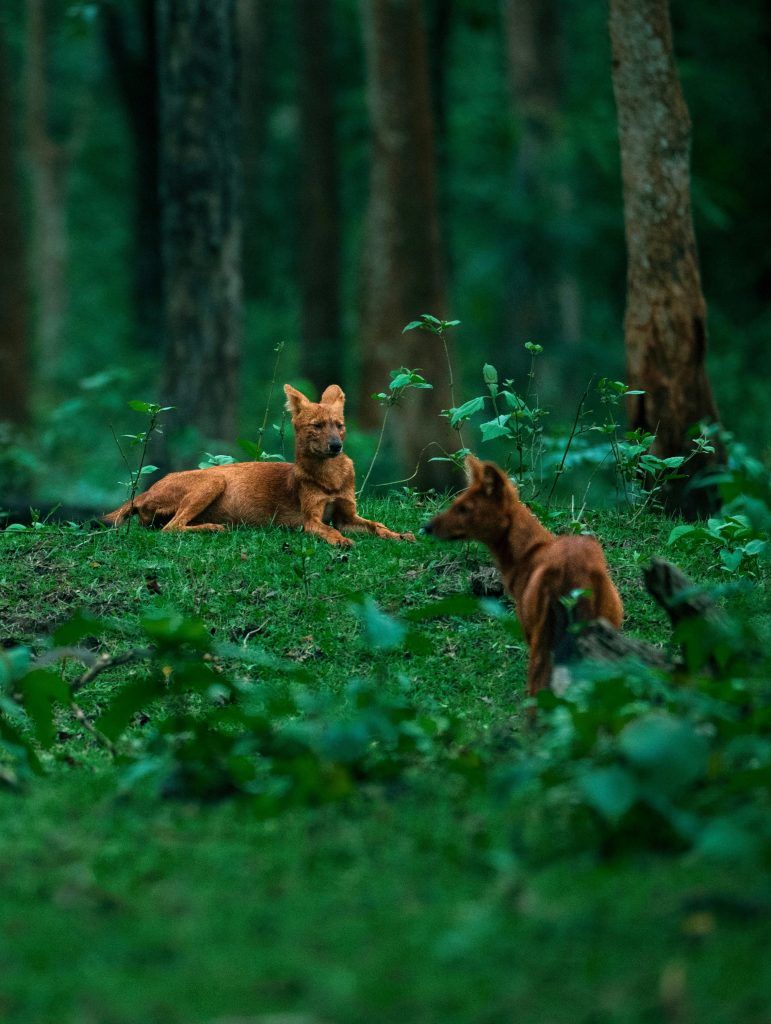
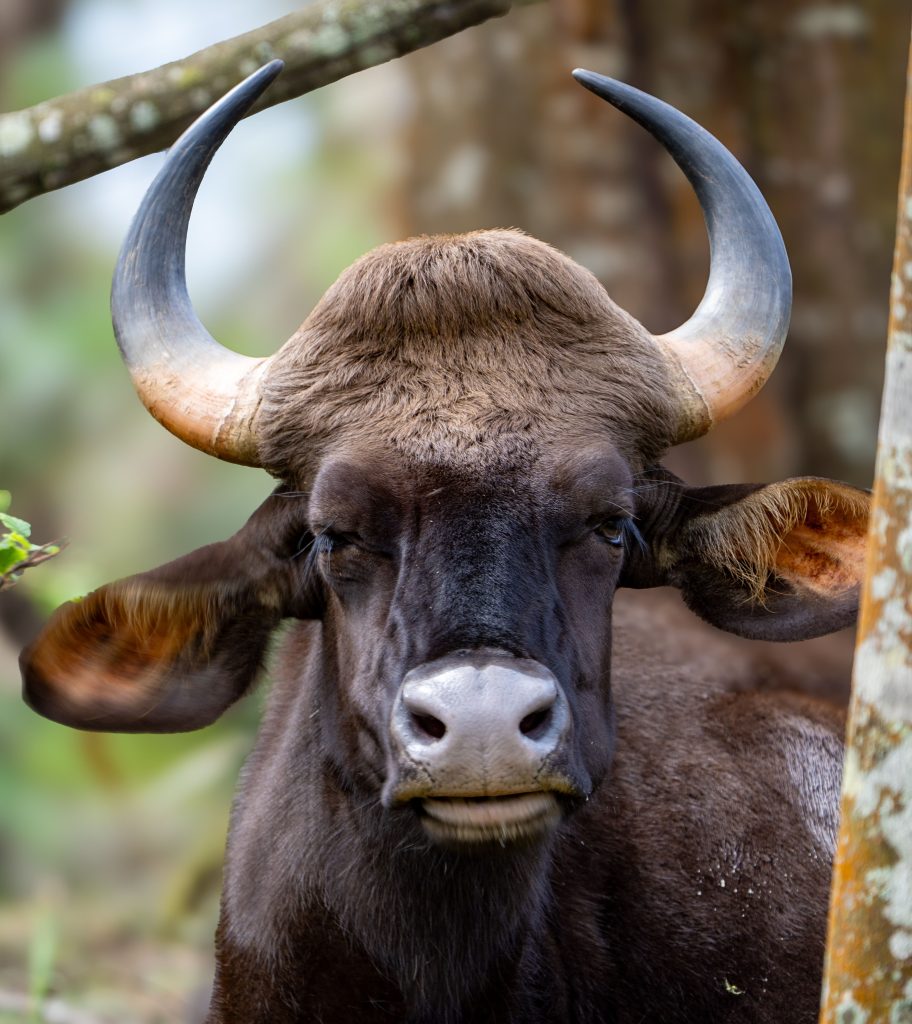
Winter is also a good period to look beyond the tiger — deer, gaur, wild boar, birds and smaller mammals all contribute to the experience. Paying attention to the wider forest often reveals far more than simply waiting for a tiger. Wild animals do not follow a safari itinerary. Their movements depend on weather, food, water, territory, behaviour and countless other variables. A good safari is therefore not simply one in which a tiger appears; it is one in which you begin to understand how the forest is working.
March: When Tadoba Comes into Bloom
By February end, Tadoba begins moving towards summer. But before the forest becomes dominated by heat and dryness, it offers one of its most colourful phases. This is the time when “A Jungle is in Bloom”. Trees like Palash, Bahava, Mahua and Kumbhi contribute colour, fragrance and activity to the forest. This is the subtle change that the forest adorns.
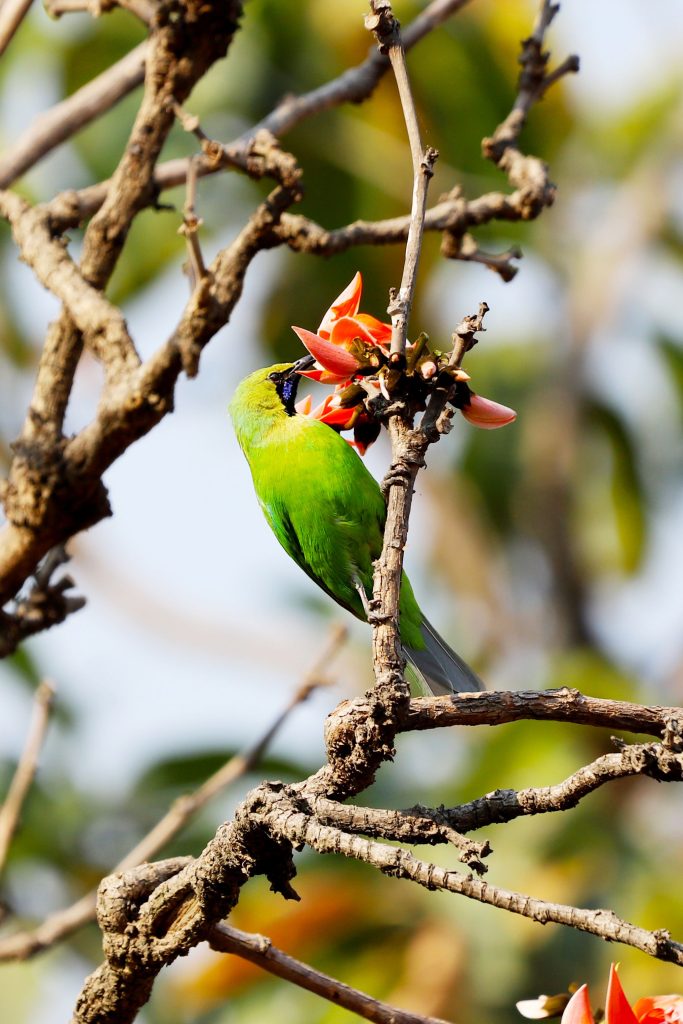
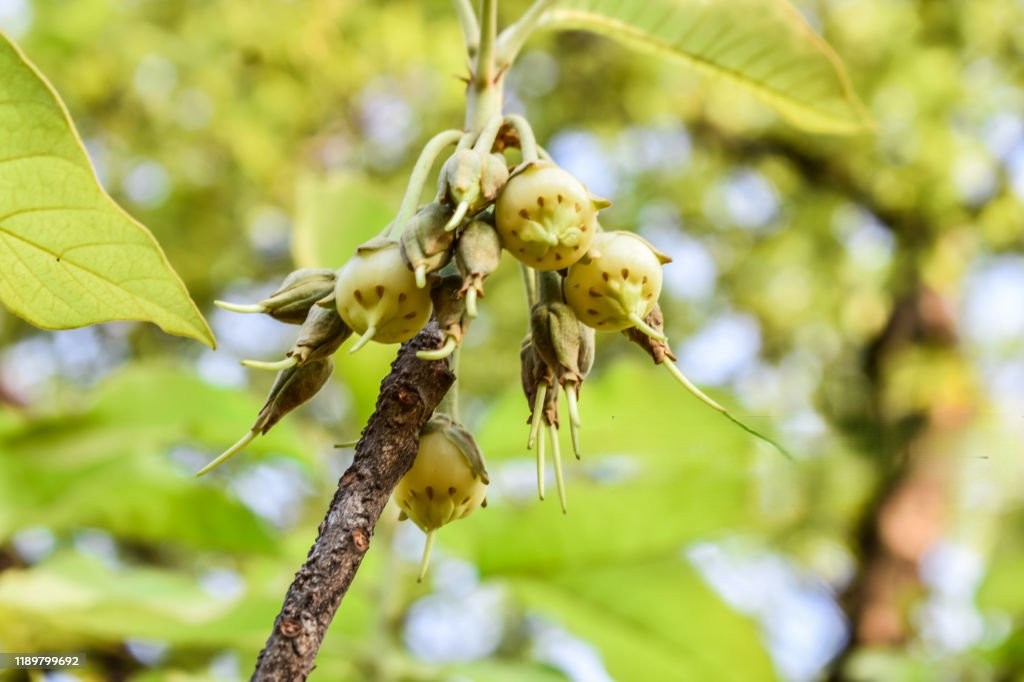
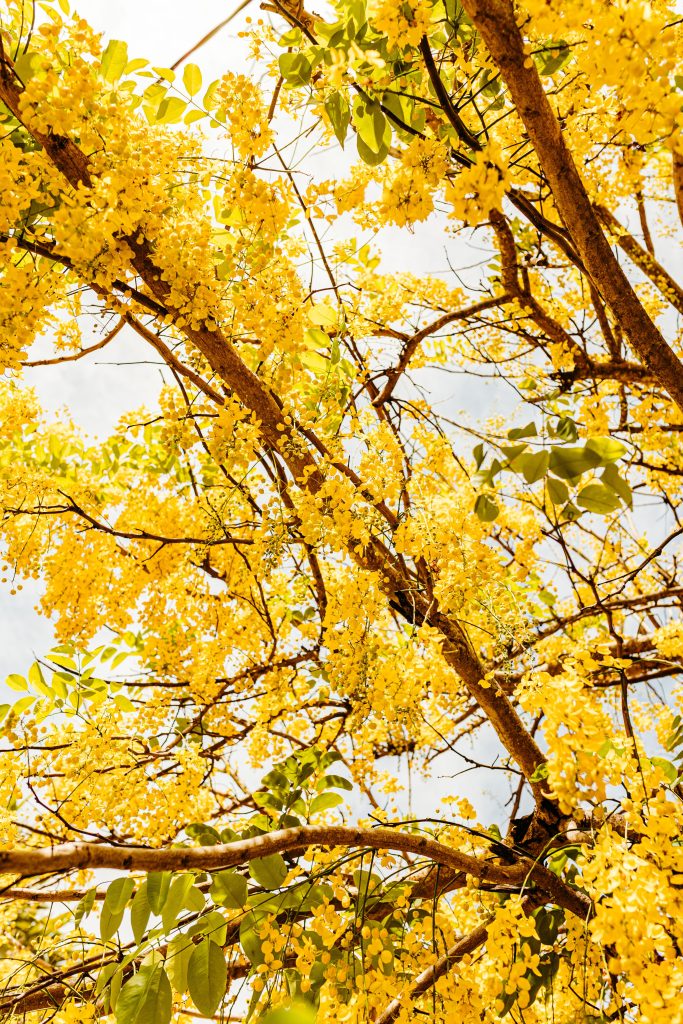
Temperatures have begun to rise, and the forest is gradually losing some of its winter coolness. Yet the landscape can become more visually dramatic as flowering trees begin to stand out against the surrounding woodland. The famous Palash, or Flame of the Forest, adds a striking orange-red colour to the landscape inviting birds and insects around its blossoms.
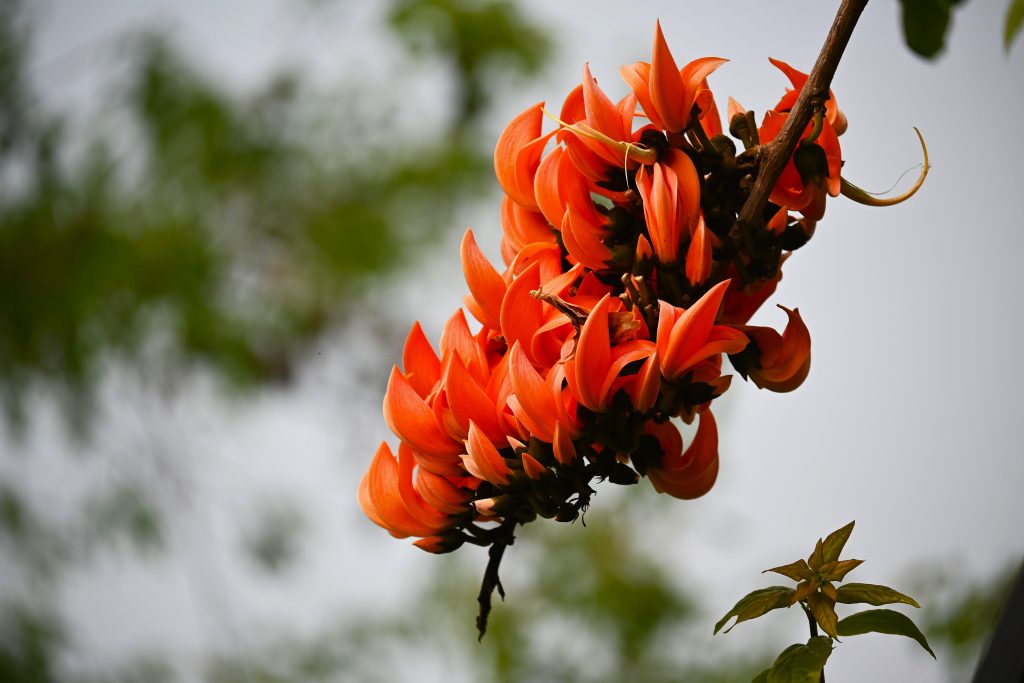
This is a reminder that Tadoba’s wildlife story is much larger than its tigers. The forest is an interconnected system. Trees flower, insects respond, birds follow food, herbivores respond to changing vegetation, and predators respond to the movement of their prey. A safari during this period can therefore feel very different from one taken just a few months earlier.
The forest is beginning to transform — again — but has not yet reached its harshest stage.
April to June: The Great Thirst
Then Tadoba changes again. The green gradually disappears. Grass dries. The forest floor becomes increasingly crisp beneath the summer sun. Temperatures rise sharply, and water begins to shape the rhythm of life.
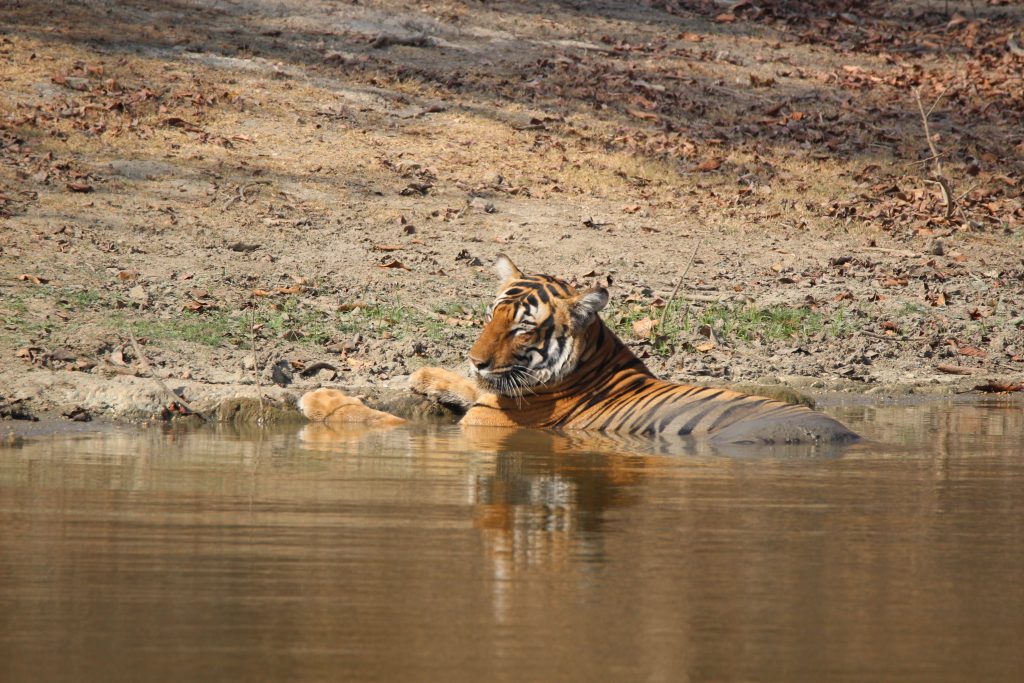
This is The Great Thirst — as water sources diminish, animals increasingly gather around waterholes. It specifically highlights the possibility of seeing tigers, leopards and sloth bears coming to drink. This is the ecological reason summer can be such an important period for wildlife enthusiasts as it provides better opportunities to observe animals in the open.
But here is a trade-off — the same heat that makes wildlife more visible, can make the safari physically demanding for visitors.
June: At the Edge of the Dry Season
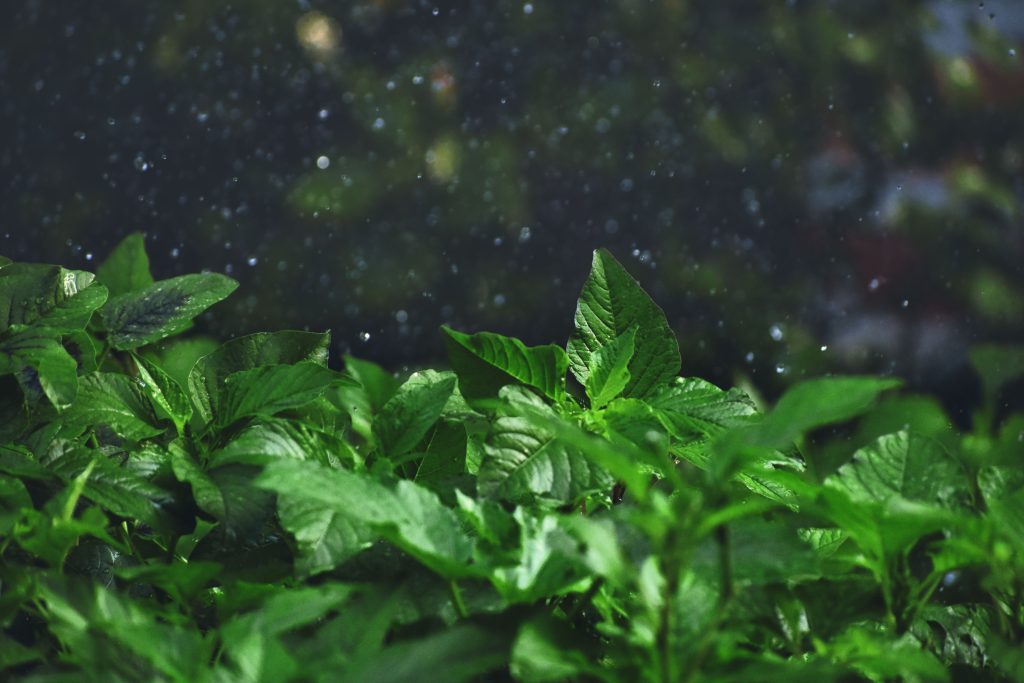
June is where the seasonal story reaches its crescendo. The heat remains intense, vegetation is at its driest and water availability continues to influence animal movement. Yet June also carries a sense of anticipation. The forest is waiting for the rains. Soon, the first storms will begin to change the landscape again. The dry earth will absorb water, dormant vegetation will respond, streams will return and the cycle will begin again.
The forest that seemed exhausted by the summer, once again become green.
And Tadoba starts a new chapter.
So, When Is the Best Time to Visit Tadoba?
The answer depends on what you want from your safari.
- If comfort is your priority, the cooler months are an obvious choice.
- If you want to experience the forest changing, February and March offer an interesting transition.
- If your focus is dry-season wildlife viewing and the possibility of stronger waterhole activity, April to June can be particularly rewarding — but you need to be prepared for serious heat.
- And if what attracts you is the forest itself, rather than a particular species, experiencing Tadoba in different seasons can be even more rewarding.
Because the reserve does not simply change colour. It changes behaviour.
A Note for Travellers
Safari timings, zone access, gate availability and operating rules can change. Always check the official Tadoba-Andhari Tiger Reserve website before making your safari plans. The official system lists separate core and buffer zones and seasonal safari timings.