Maharashtra’s Oldest and Largest Protected Forest
Tadoba-Andhari Tiger Reserve (TATR) has evolved from ancient Gond tribal lands to colonial reserved forest and hunting grounds to Maharashtra’s oldest and largest national park. Tadoba takes its name from two sources: “Taru” or “Taruba,” a revered Gond village chief who died fighting a tiger. The second part of the name comes from the Andhari River, which flows through the forest and whose true source remains a local mystery. A shrine dedicated to the chief Taru still stands beneath a large tree near the banks of Tadoba Lake, drawing local pilgrims and reflecting an ancient coexistence with wildlife.
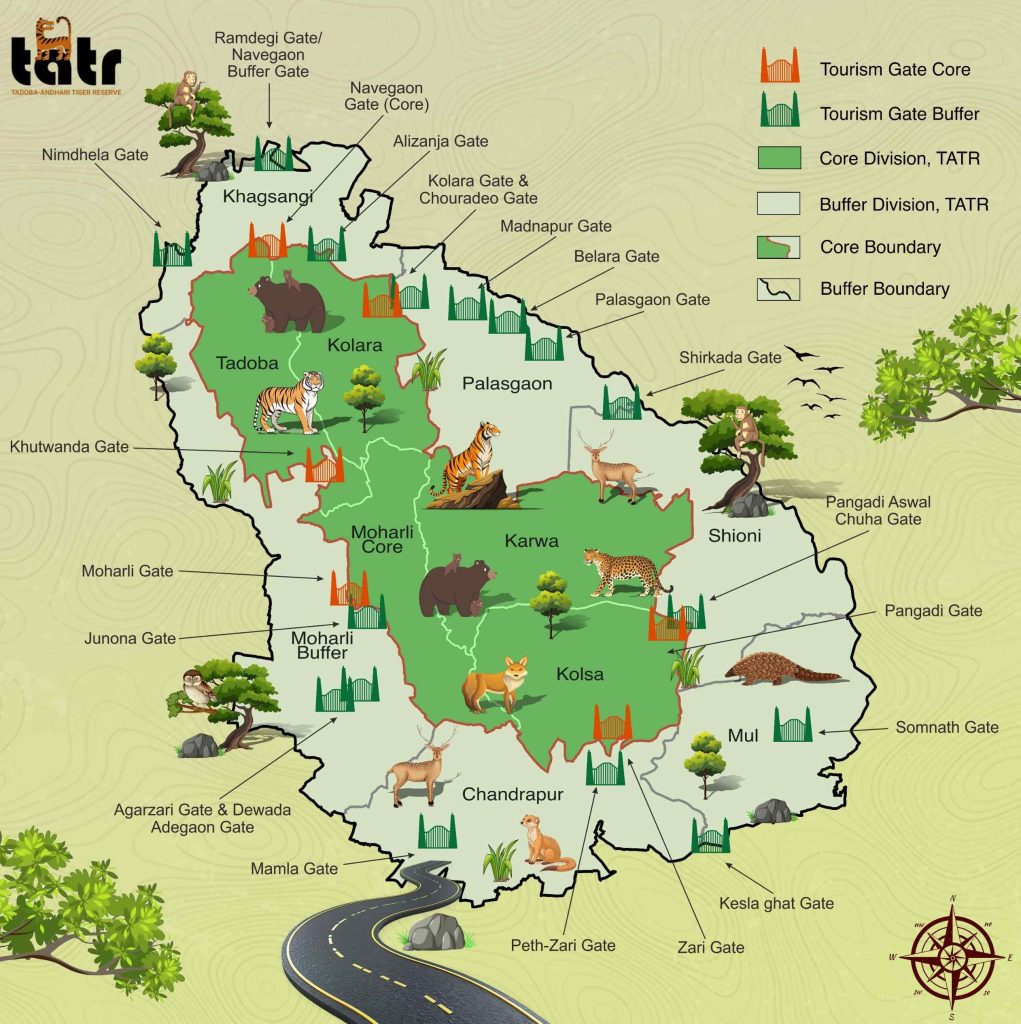
Spanning over 625 square kilometres of core forest within a much larger buffer landscape, it holds the distinction of being Maharashtra’s oldest and largest national park — a rugged mix of dry deciduous teak forest, bamboo thickets, and rocky hills nestled against the Chimur Hills.
A Landscape Built Around Water

Water is one of the defining elements of Tadoba’s ecology. Tadoba Lake, Kolsa Lake and the Andhari River, along with smaller streams, pools and seasonal waterholes, provide critical sources of water across the reserve. Their importance becomes especially pronounced during the hot, dry months, when smaller water sources disappear and wildlife increasingly depends on the remaining perennial and semi-perennial sources.
These water bodies also create productive habitats that support vegetation, birds, herbivores and aquatic species, indirectly sustaining Tadoba’s predators. The relationship between water, prey and cover is particularly important during summer, when animal movement and activity are strongly influenced by heat and water availability.
Teak, Bamboo, and the Character of a Dry Deciduous Forest
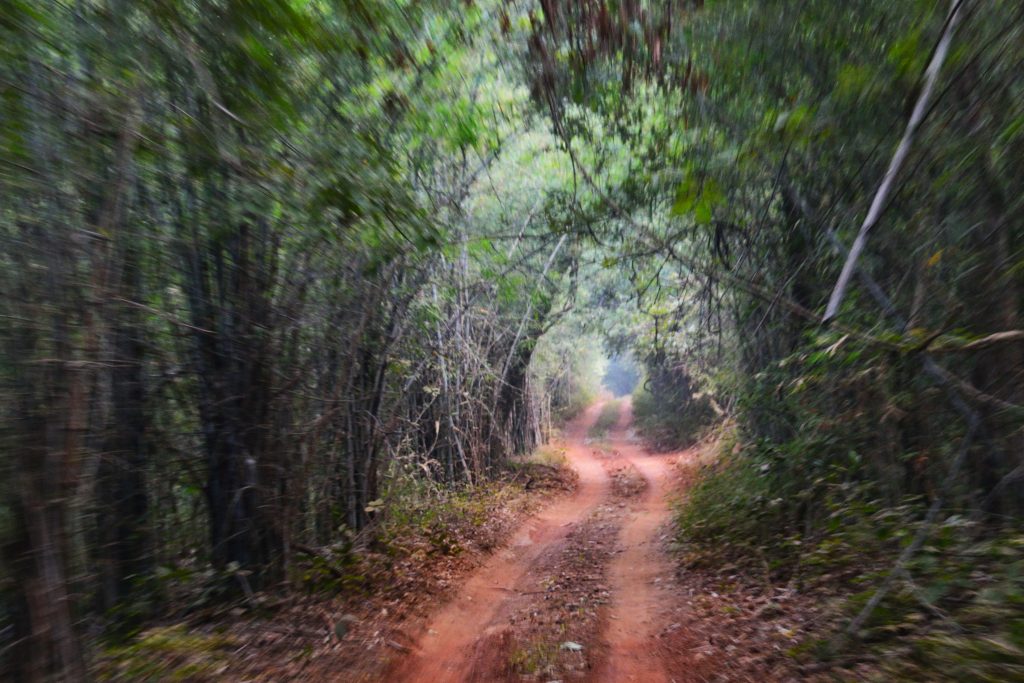
Tadoba is largely characterised by Southern Tropical Dry Deciduous Forest, with teak as the dominant tree and bamboo widespread across the landscape. Other deciduous species add variety to the forest, while grasslands, bamboo thickets and moist pockets around water create a diverse habitat mosaic.
The forest changes dramatically with the seasons. Monsoon brings dense greenery and renewed water, while the prolonged dry season strips much of the deciduous canopy and opens up the forest floor. By April and May, the landscape can appear markedly sparse and sun-baked, with reduced vegetation cover often improving visibility.
These seasonal changes directly influence wildlife behaviour—shaping where animals feed, seek shade and water, and move through the forest—and are an important part of understanding Tadoba’s safari experience.
A Genuinely Dense and Varied Wildlife Community
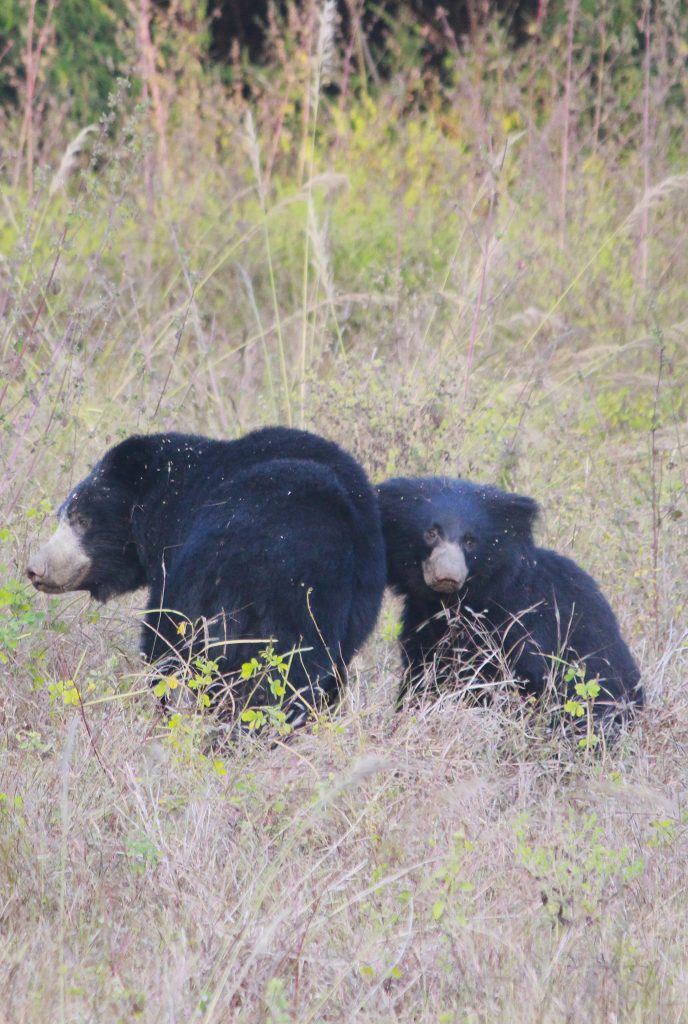
Tadoba holds one of central India’s highest tiger densities, with an estimated 90 to 100 individuals moving through the reserve’s core and buffer areas — a remarkable concentration for a park of this size. Alongside tigers, the reserve supports leopards, sloth bears, gaur, and dhole, whose coordinated pack hunting makes for one of the reserve’s more compelling wildlife encounters. Nilgai, sambar, and chital form the core prey base, while striped hyena and small Indian civet round out Tadoba’s predator and scavenger community.
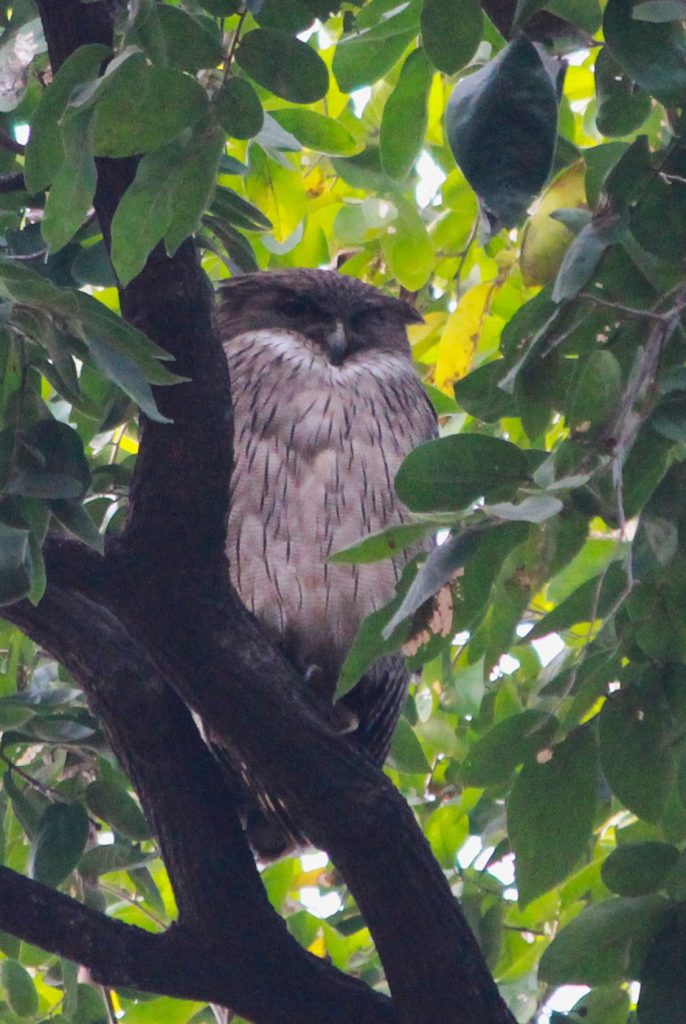
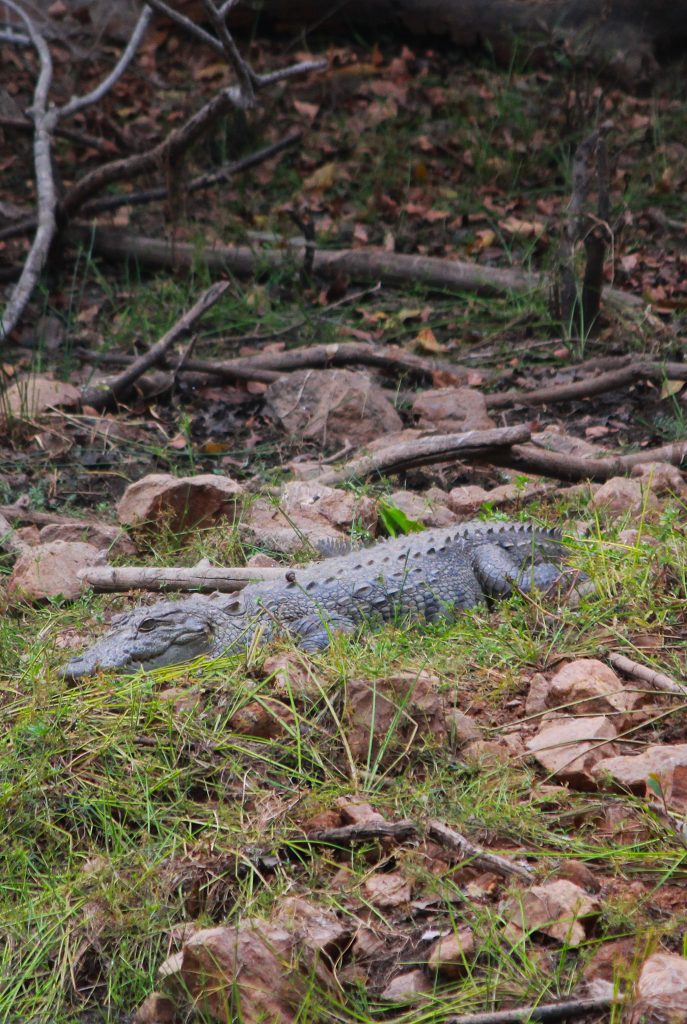
Look closer and the reserve holds real surprises too: the honey badger, a genuinely tenacious and rarely sighted mustelid, and the chausingha or four-horned antelope — the only bovid species anywhere with four horns rather than two, a genuine oddity of Indian wildlife found in relatively few reserves. Tadoba’s reptile population includes Indian python, cobra, and Russell’s viper, alongside a healthy population of marsh crocodiles in its lakes.
How Weather Shapes What You’ll See
Tadoba’s dry season transforms the reserve’s wildlife visibility considerably. As temperatures climb through March, April, and May, and smaller water sources dry up entirely, animals concentrate predictably around the reserve’s permanent lakes — a behavioural shift that dramatically improves sighting odds even as it demands visitors handle genuinely serious heat. Tadoba’s tigers in particular have earned a reputation among regular visitors for being unusually bold and visible during this period, often resting in the open near water rather than retreating into cover, a pattern closely tied to the sheer heat stress driving that behaviour.
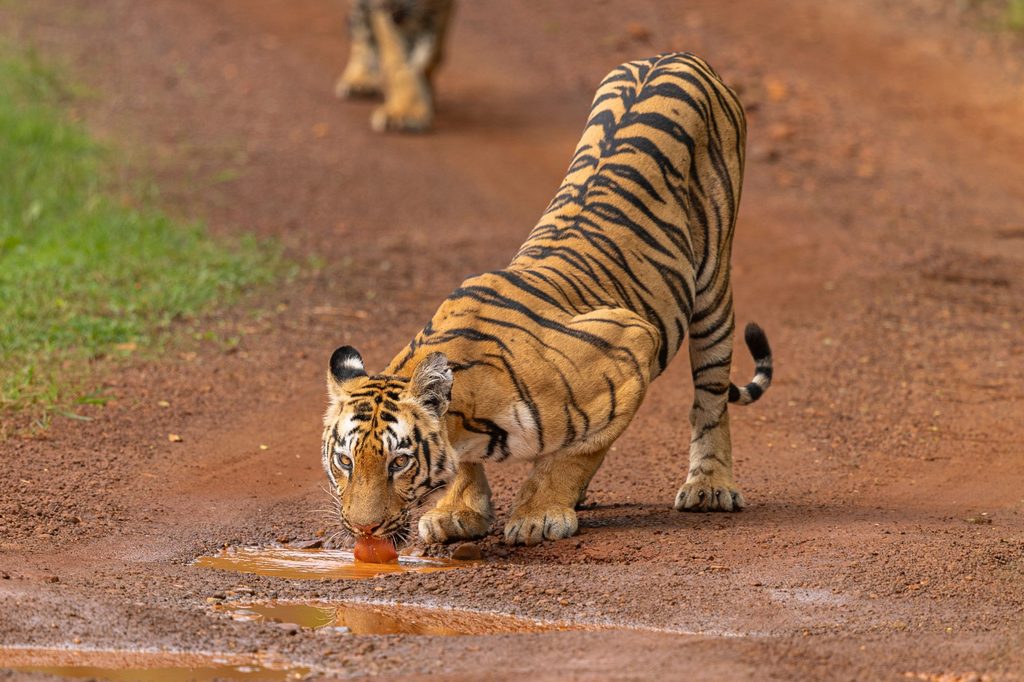
Monsoon transforms the landscape entirely — the dry teak forest turns lush and green, though tracks become genuinely difficult to navigate, which is why the reserve closes its core zone for this period each year. What emerges by October, when the forest reopens, is a landscape caught between two states: still verdant from the rains, but with water beginning to recede toward those same permanent sources — the first signs of the cycle turning back toward summer’s concentrated sightings.
The blogs on Thattekad and Tadoba are excellent and packed with useful information. The presentation, detailed history, and stunning photography make this a standout read. It is the perfect guide for anyone planning a wildlife safari—concise, insightful, and beautifully written!