Habitat Diversity Is the Whole Story
Thattekad covers just 25 square kilometres — genuinely small by the standards of Indian wildlife destinations, a fraction of the size of a reserve like Kanha. And yet it holds over 300 recorded bird species, a density that has drawn ornithologists here since Dr. Salim Ali first surveyed the region in the 1930s and called it the richest bird habitat he had encountered anywhere in peninsular India.
The explanation isn’t luck or an unusually large protected area. It’s habitat diversity packed into an unusually small footprint — river, marsh, forest, and grassland-scrub edge, all within a short walk of each other. Understanding these four habitats, and which species favour each, is the single most useful thing you can know before planning a Thattekad visit. It’s also what separates a productive morning from a frustrating one — birding the wrong habitat for what you’re hoping to see wastes hours you don’t get back.
The River and Its Marshes
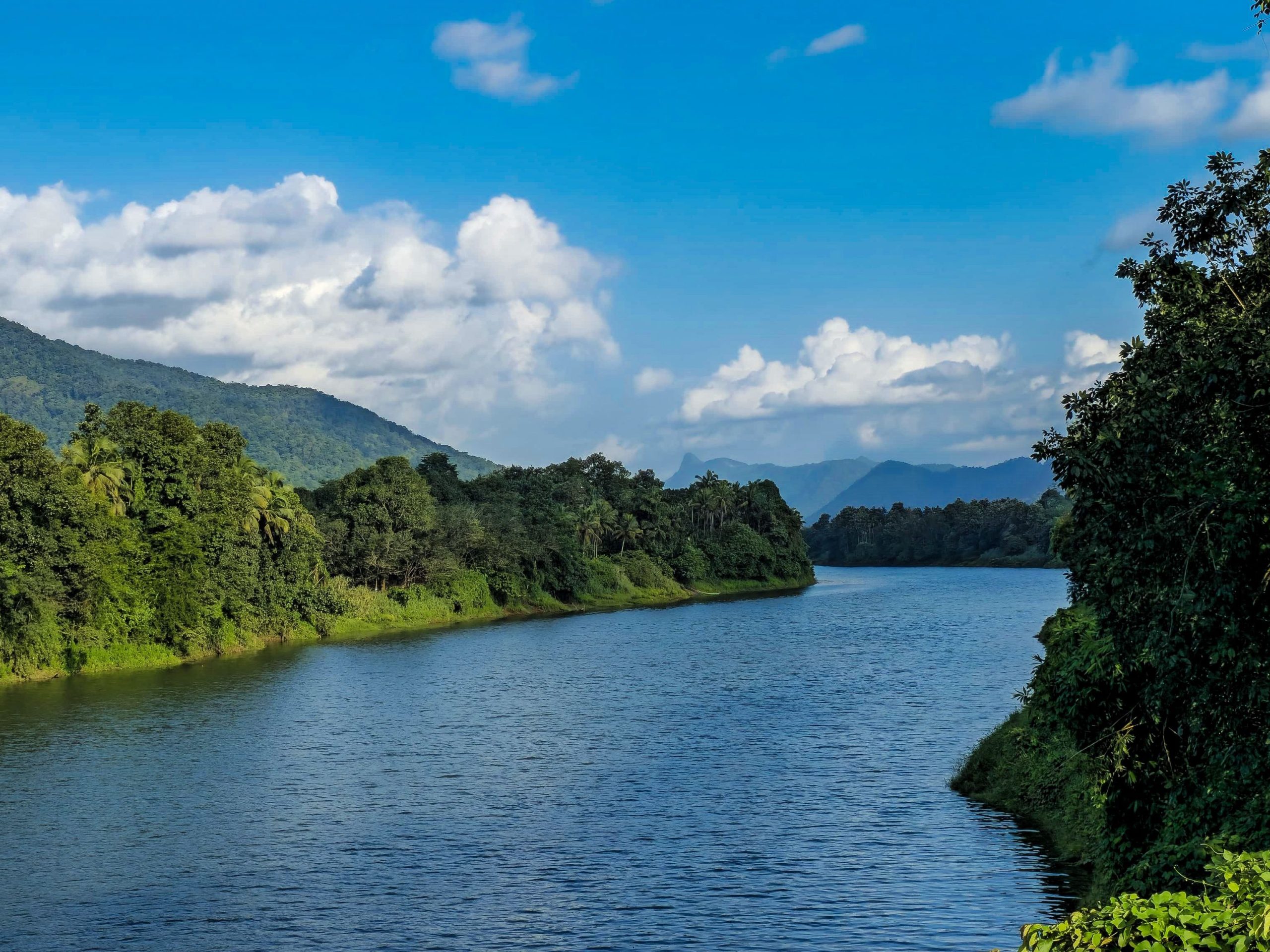
The Periyar River, Kerala’s longest, runs along Thattekad’s edge, and the Bhoothathankettu dam a short distance downstream backs up water into a network of lagoons and marshland that forms the sanctuary’s wetland habitat. This is where you’ll find Thattekad’s water-associated species — oriental darters and cormorants working the open water as skilled divers, along with herons, kingfishers, and a range of migratory waterbirds that pass through during the cooler months.
This habitat also offers some of Thattekad’s easiest photography conditions relative to the dense forest interior — more open sightlines across water, and species that tend to perch predictably at favoured fishing spots rather than moving unpredictably through cover.
The Forest Itself
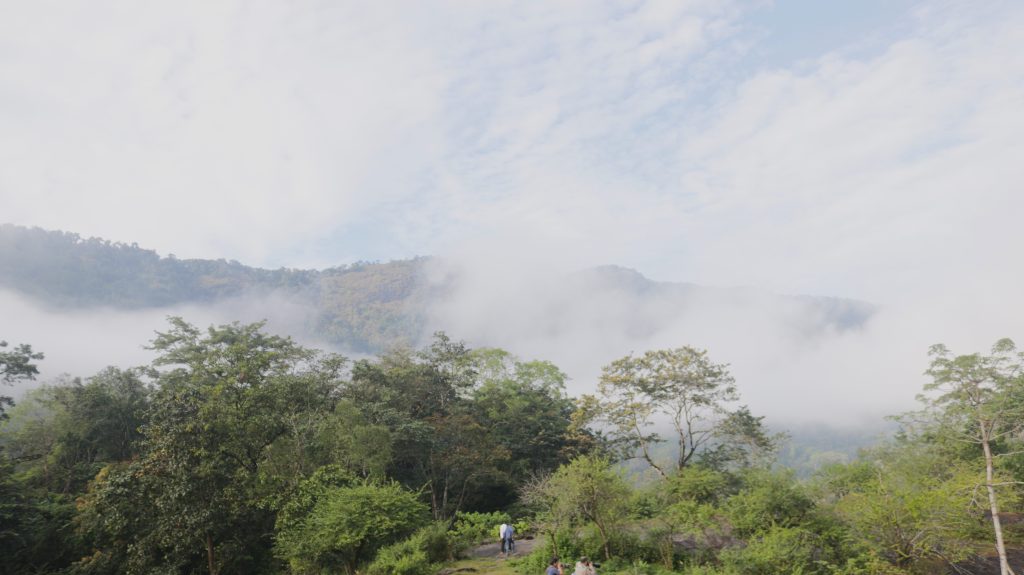
Move inland and the habitat shifts to tropical semi-evergreen and moist deciduous forest, interspersed with older teak and rosewood plantations dating back to earlier forestry use of the land before it became a protected sanctuary. This is Thattekad’s largest habitat by area, and it’s where the sanctuary’s forest specialists live — the Malabar grey hornbill, Malabar trogon, and a genuine concentration of Western Ghats endemic species found nowhere else on the planet.
It’s also, honestly, the harder habitat to photograph in. Dense canopy cover and low light mean sightings here often reward patience and a good ear for calls over pure visual scanning — a pattern that becomes even more pronounced after dark, when this same forest hosts Thattekad’s real specialty: night birding for owls, nightjars, and the Sri Lanka frogmouth.
Grassland and Scrub Edges
Smaller in area than the forest and wetland habitats, but genuinely important, are Thattekad’s grassland and scrub-edge patches — transitional zones between forest and open ground that favour a different set of species again, including several raptors that hunt these open margins rather than dense canopy. These edges are often where forest and open-country species overlap, making them worth a slower pass rather than treating them as a corridor to somewhere else.
What This Means for Planning Your Visit
The practical takeaway is simple: Thattekad rewards visitors who plan around habitat, not just location. A morning spent entirely on forest trails will show you a completely different species list than a morning spent along the river and lagoons — and a serious visit typically means covering multiple habitats across a stay, not just picking one trail and hoping for the best.
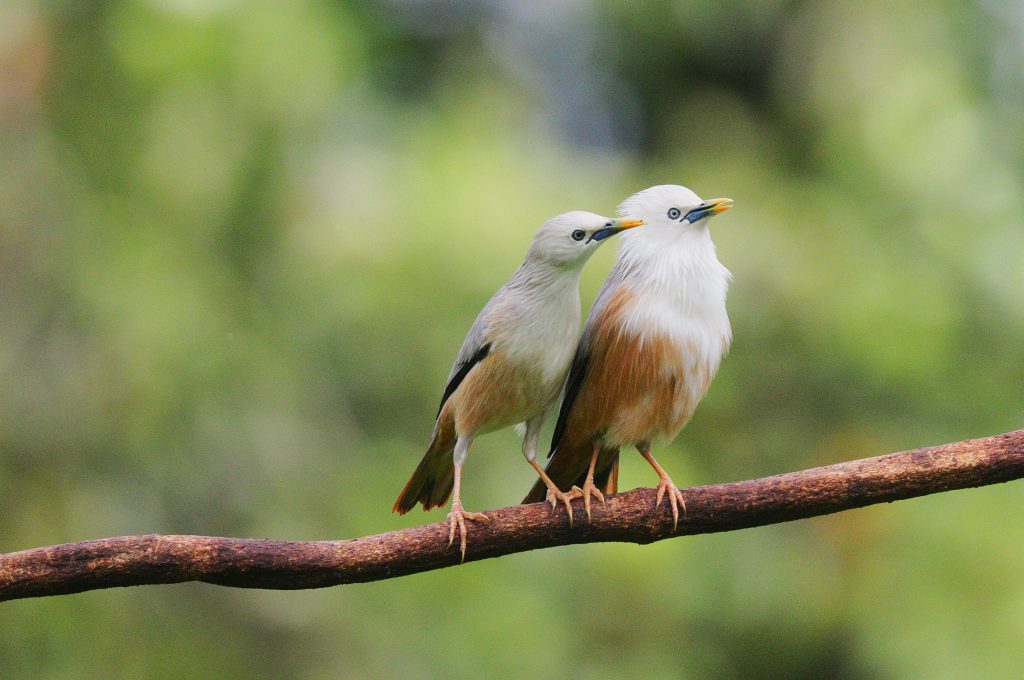
This is also exactly why Thattekad supports such a specific, deliberate style of birding and photography. Knowing which habitat holds the species you’re actually hoping to see — rather than wandering and hoping something crosses your path — is the difference between a good Thattekad trip and a genuinely exceptional one.
For everything else worth knowing before you go, see our complete guide to planning a Thattekad trip.
Beautifully written Harshal. You have described the varied habitat that makes Thttekad so special so well. Kudos!!
Wow ! Makes me wish for a trip there.