This Isn’t a Drive-Through
Every other destination in our content involves a vehicle. Jawai and Kanha both put you in a jeep, moving through territory a driver-guide navigates on your behalf. Thattekad works nothing like that. There’s no vehicle here, no zone permit, no gate timing tied to a forest department schedule. You walk. The sanctuary’s trails are covered on foot, at your own pace, following a guide rather than being driven by one — a genuinely different physical experience from every other cluster in our content, and one worth understanding before you plan around the wrong expectations.
How to Reach Thattekad
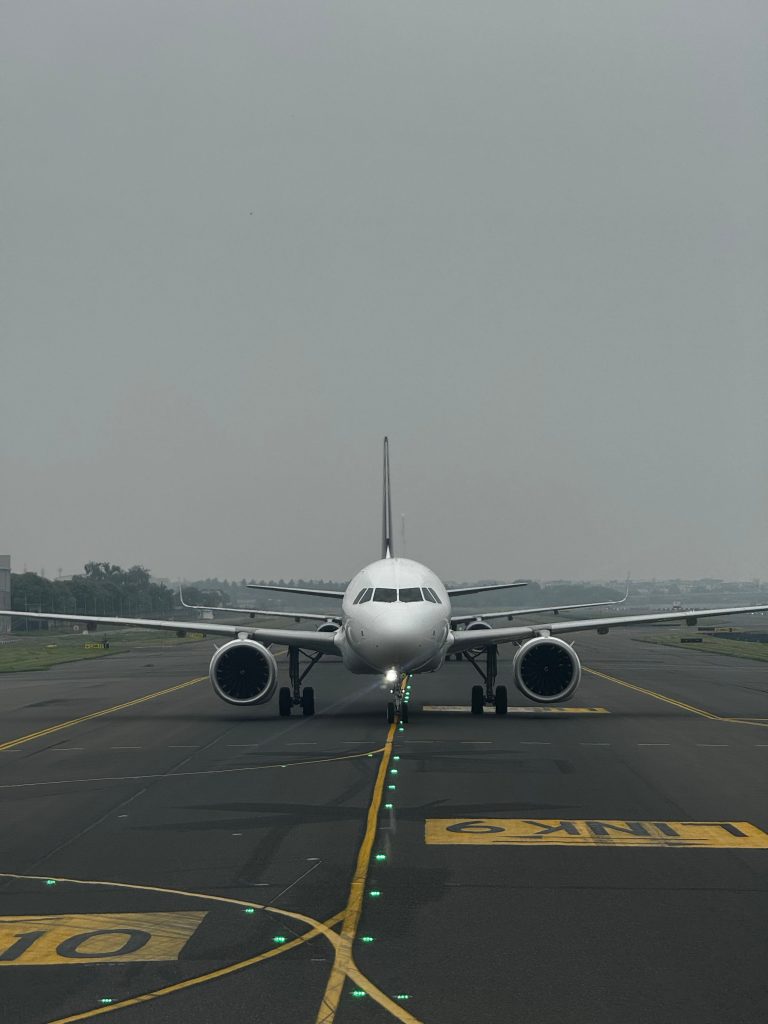
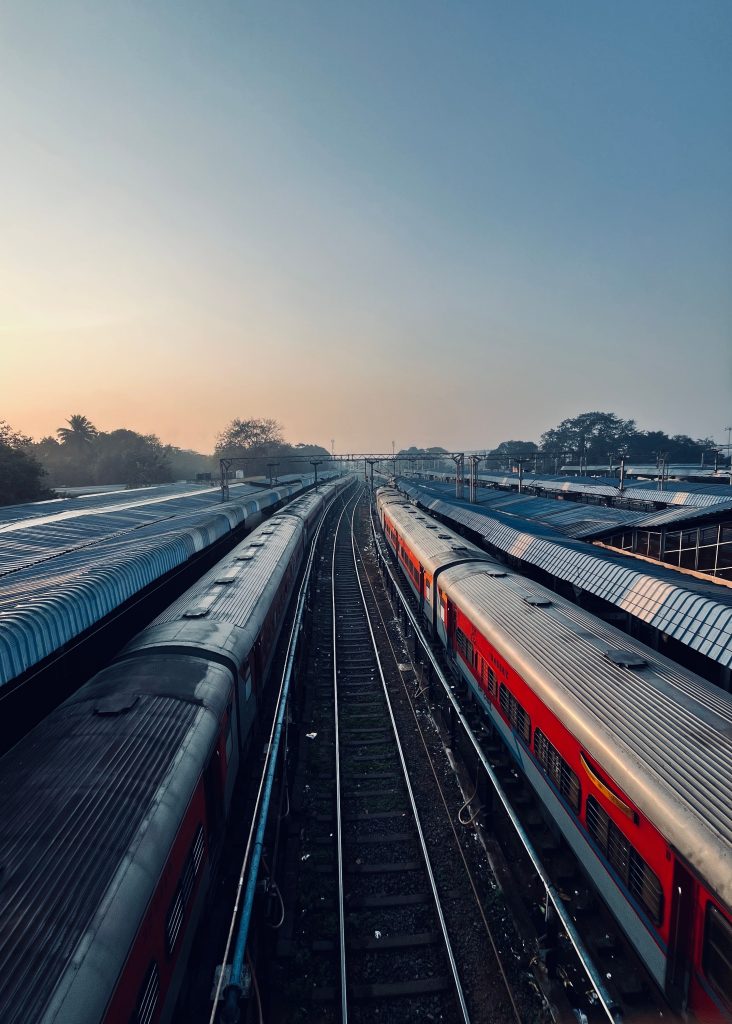
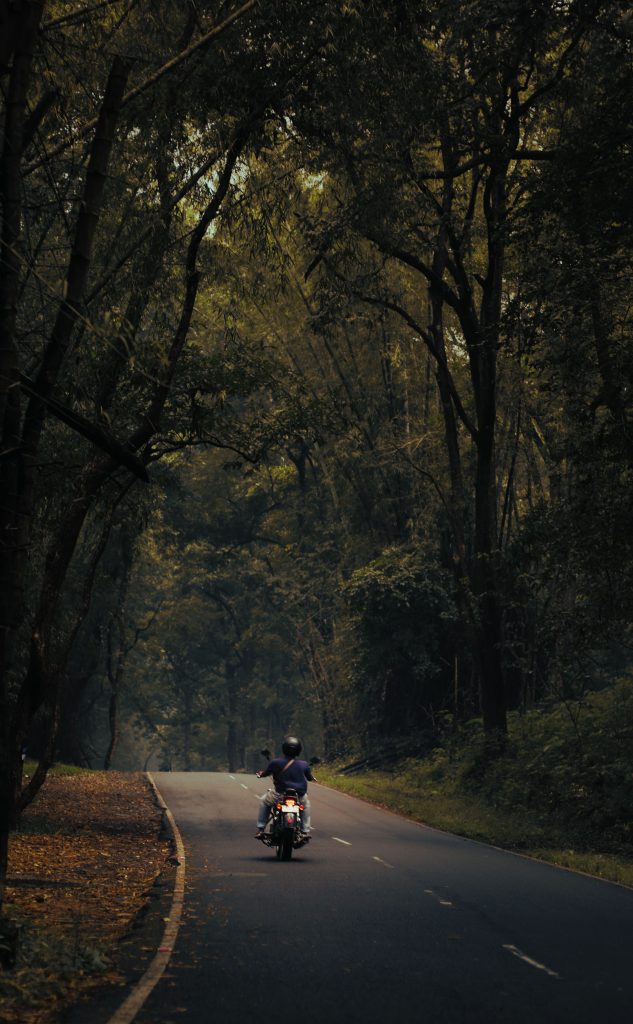
Thattekad sits in Ernakulam district, roughly 65 to 70 kilometres from Kochi, making the city your natural gateway regardless of how you’re arriving.
- By air: Cochin International Airport is the nearest, at approximately 65 to 71 kilometres depending on your final destination within the sanctuary area — typically a two-hour drive through increasingly rural terrain as you leave the city behind.
- By rail: Aluva railway station, a suburb of Kochi, is the most commonly used stop, sitting around 45 to 50 kilometres out, with a road transfer of roughly an hour and a half to two hours to reach the sanctuary itself.
- By road: Well-connected roads run from Kochi through Kothamangalam, the nearest town of any size, with the final stretch narrowing into the rural approach that signals you’re nearing the sanctuary boundary.
Unlike Jawai or Kanha, there’s no separate onward 4×4 transfer required once you arrive — a standard vehicle gets you to your accommodation, and from there, everything happens on foot.
Entry, Guides, and How Booking Actually Works
Access to the sanctuary’s trails runs through a ticket counter at the entrance rather than an advance online permit system like Kanha’s. The flagship Salim Ali Trail is self-guided and open throughout working hours without a mandatory guide requirement, though a knowledgeable local naturalist genuinely transforms what you’ll actually identify versus simply hear. Other trails carry different requirements — the Baza Trail, for instance, requires a forest guard escort and runs only within a fixed early-morning window, with its own separate entry arrangement.
Night birding sessions and hide access are generally arranged separately, through a naturalist or your accommodation rather than the sanctuary’s standard daytime ticket counter, since these target specific nocturnal species on a different schedule entirely. If a particular night species or a hide session is a genuine priority for your trip, arrange this specifically in advance rather than assuming it’s automatically included in a general visit.
What a Day Actually Looks Like
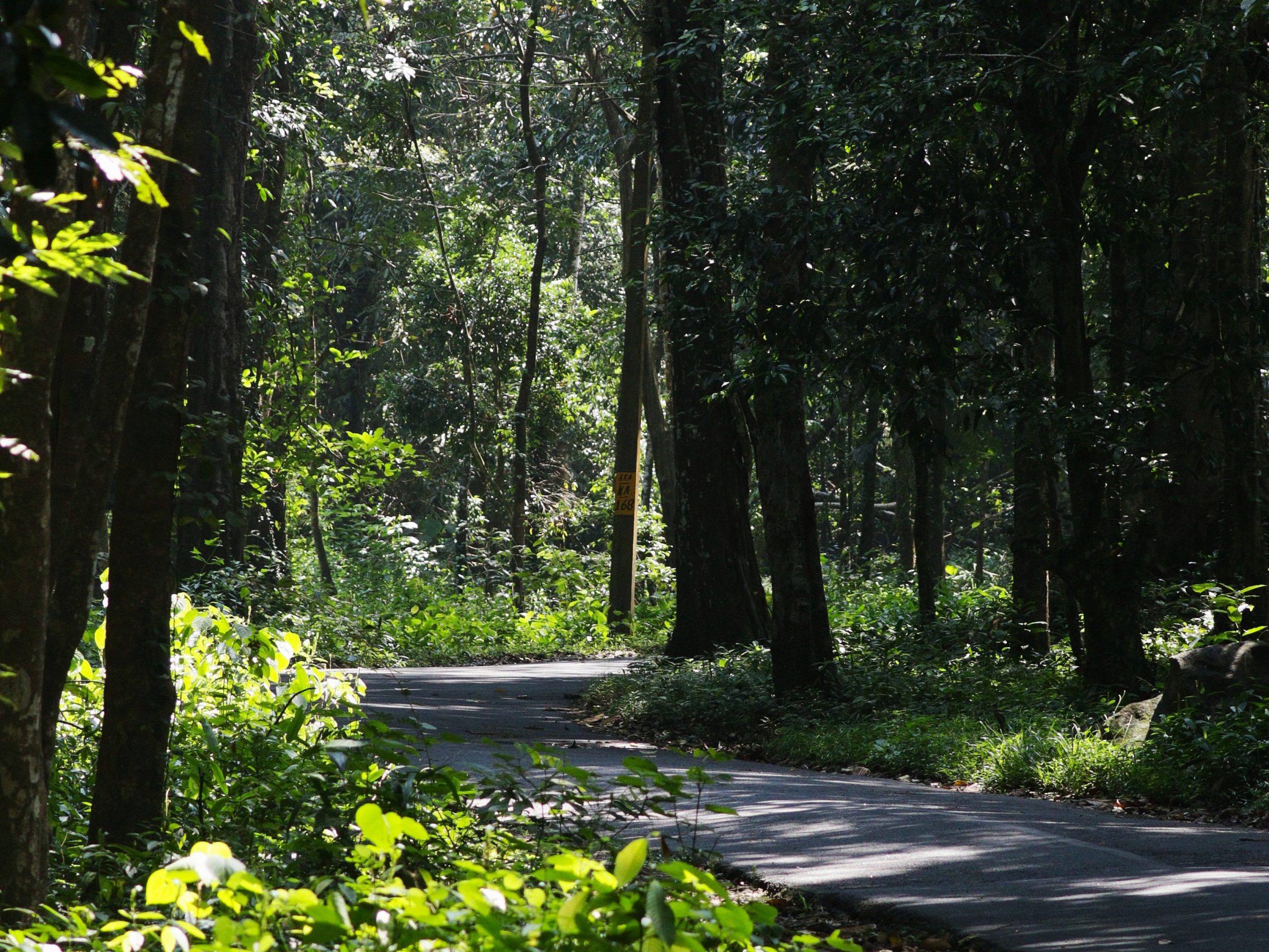
A typical Thattekad day runs across two main windows: an early morning session, often starting as early as 6 to 7 a.m. to catch peak bird activity before the day’s heat sets in, and a shorter afternoon or early-evening session once the worst of the midday heat has passed. Between these, most visitors return to their accommodation to rest through the hottest hours — walking trails in direct midday heat is neither comfortable nor particularly productive, since bird activity itself quiets considerably during this window.
Because you’re walking rather than being driven, pace is genuinely your own. A guide will typically move deliberately, stopping frequently to listen for calls and scan likely perches, which makes a Thattekad session feel more like a slow, attentive search than the faster-moving scan-and-drive rhythm of a jeep safari. Sightings often come from sound before sight — a call identified and tracked to its source — which is part of why an experienced local guide matters so much more here than in destinations where wildlife is simply more visually obvious from a moving vehicle.
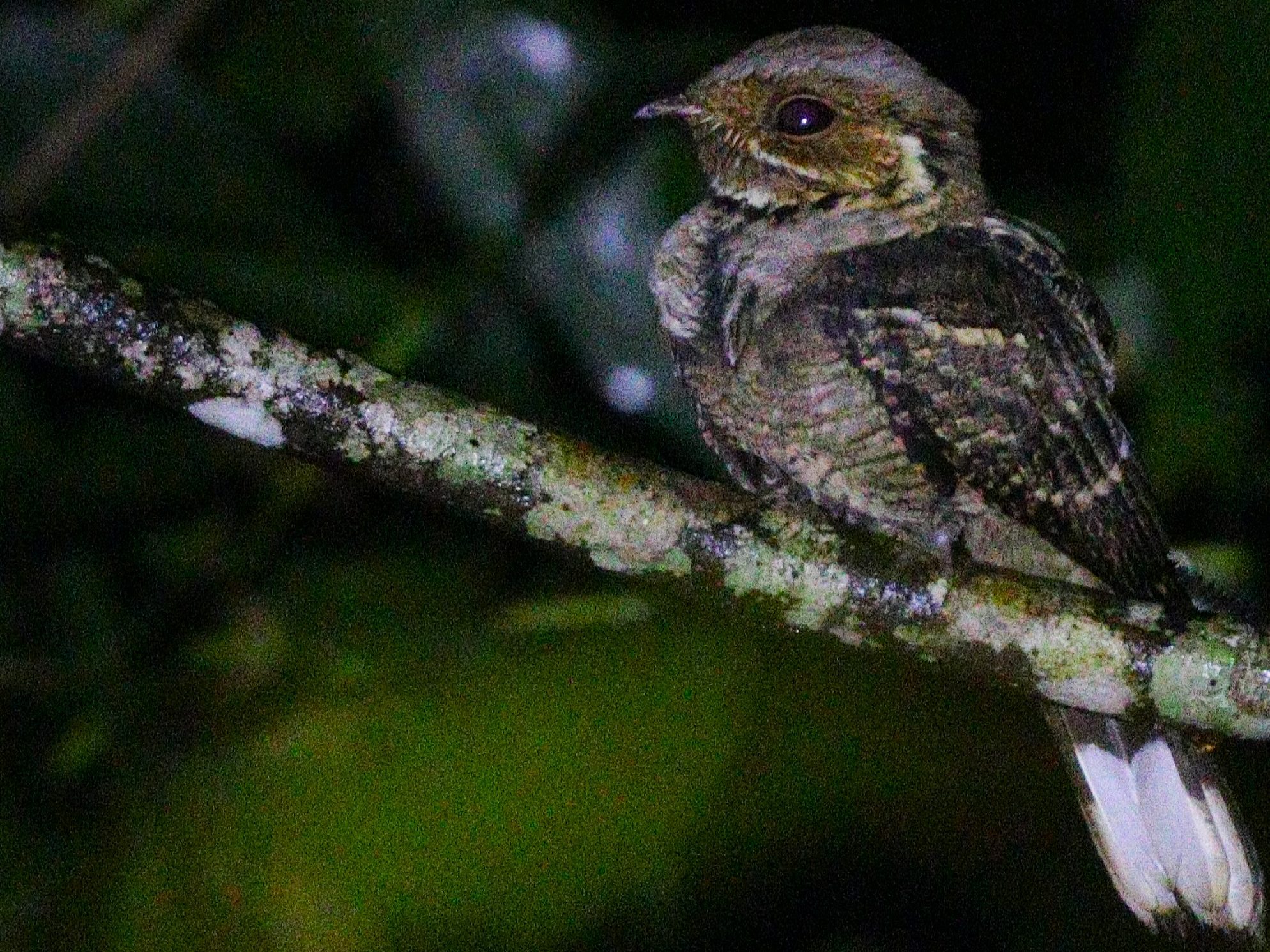
Evenings, for those arranging night sessions, add an entirely separate rhythm — slower still, working known roosting and calling sites with a guide’s flashlight and considerable patience, often rewarded with owls, nightjars, or, with real luck and the right guide, a roosting Sri Lanka frogmouth.
What to Pack
- Genuinely comfortable walking shoes. This is the detail every packing habit built around jeep safaris gets wrong. You are walking real distances on real trails here, sometimes for hours at a stretch — broken-in, comfortable footwear matters more in Thattekad than anywhere else in our content, closed shoes with reasonable grip rather than the slip-on comfort that suits a seated jeep day.
- A proper telephoto lens, and patience to match it. Forest canopy conditions mean many sightings happen at real distance or partially obscured — similar in spirit to India’s other forest challenges, but on foot rather than from a vehicle, which changes how you’ll actually use your gear moment to moment.
- Rain protection, regardless of season. Kerala’s weather is genuinely unpredictable even outside monsoon proper — a light raincoat or umbrella is worth carrying on every trip here, not just ones planned around the wet season.
- Insect repellent, seriously applied. Forest and wetland habitat combined means more insect activity than a drier destination like Jawai or Kanha — this is not a place to skip or under-apply it.
- A flashlight or headlamp if you’ve arranged night sessions. Your guide will carry the primary light source, but your own backup matters on uneven forest terrain after dark.
- Binoculars, non-negotiably. More than any other destination in our content, Thattekad is built around identification at range and through cover — a genuinely good pair of binoculars does as much work here as your camera.
The Etiquette That Actually Matters Here
Thattekad’s etiquette centres on two things: quiet, deliberate movement, and respect for roosting and nesting sites specifically. Sudden noise or fast movement costs you far more here than in a jeep, where an engine and moving vehicle already create baseline noise animals have habituated to — on foot, you are the disturbance if you’re not careful. Around any roosting bird, particularly the Sri Lanka frogmouth, flash photography is a hard no; these are camouflage-dependent species relying entirely on stillness to avoid predators, and a startled roost can mean the bird abandoning a reliable spot guides have tracked for months or years.
Follow your guide’s lead on trail positioning and pace without exception — their read of a call, a distant rustle, or a known roosting pattern is virtually always better informed than an instinct to push ahead or investigate independently.
Combining Thattekad With the Rest of Kerala
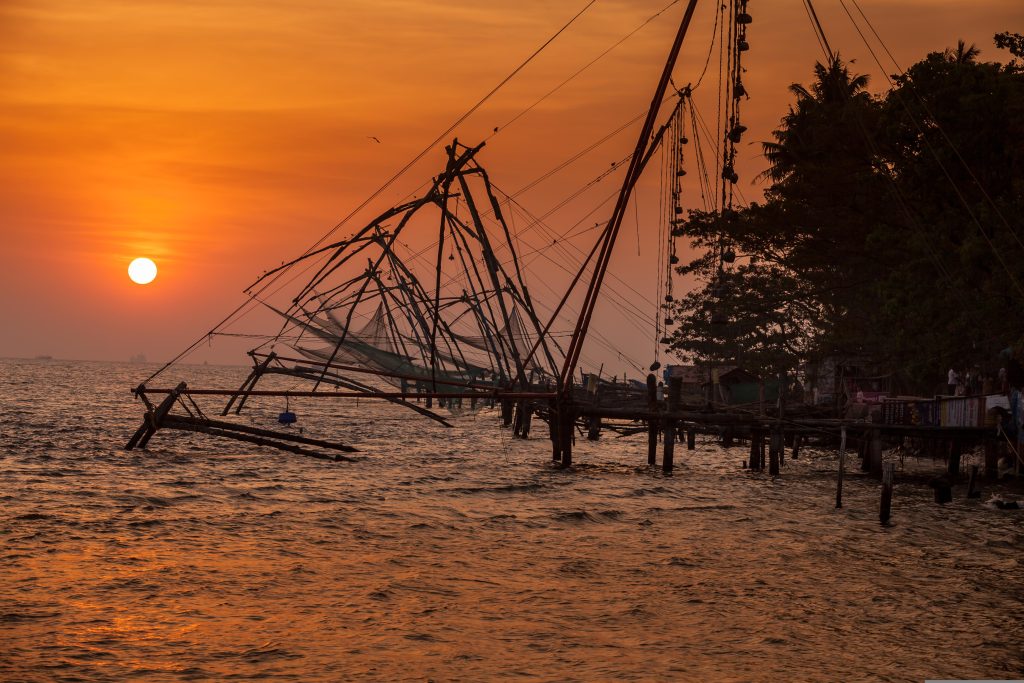
Thattekad’s proximity to Kochi makes it a natural add-on to a wider Kerala itinerary rather than a standalone destination most travellers build a trip entirely around. Munnar’s hill stations sit roughly 70 to 75 kilometres further into the Western Ghats, while Kochi itself — with its backwaters, colonial-era Fort Kochi district, and easy airport access — bookends most itineraries naturally on either end. A dedicated one to two night stay at Thattekad slots comfortably between a Kochi arrival and a Munnar-bound onward journey, adding a genuinely different, quieter texture to a Kerala trip built otherwise around hill stations and backwaters. Which months you choose for this trip changes considerably what you’ll actually find once you arrive, migrants included — worth reading before you lock your dates.
Putting It Together
A Thattekad trip rewards a completely different kind of preparation than any other destination in our content — not zone selection or jeep logistics, but proper footwear, genuine patience, and a willingness to let a guide’s ear do as much work as your own eyes. Get that mindset right, and Thattekad delivers something no drive-through safari destination can: hours of slow, attentive walking through one of India’s most concentrated bird habitats, with the sightings that come from actually listening for them.
Very well described. A must read before planning a trip to Thattekad.